Uzbekistan aims to halve carbon intensity by 2035
Summary and headline written by AI from the source article. How we work
Uzbekistan intends to reduce the amount of carbon released per unit of economic output by 50 percent between 2010 and 2035.
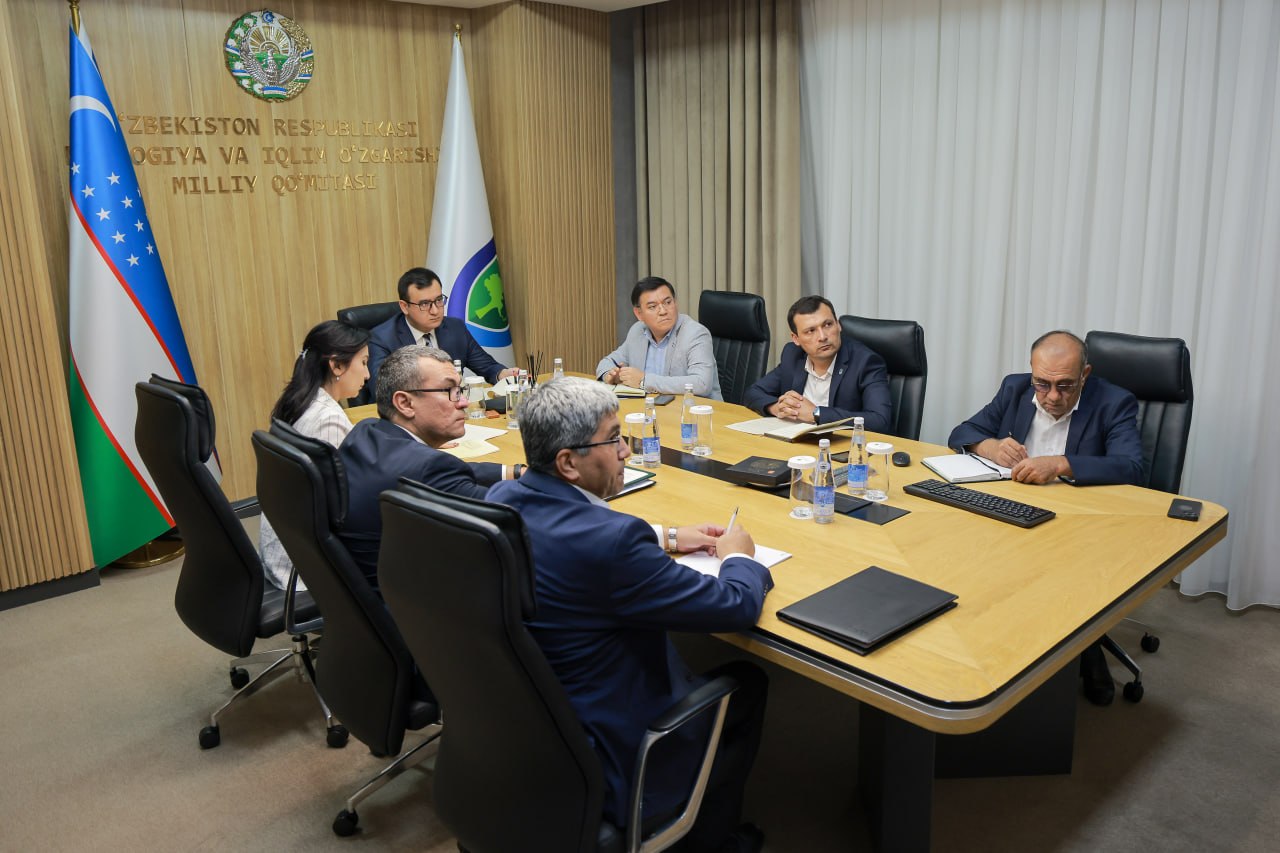
Iskandar Kutbiddinov, Deputy Chairman of the National Committee for Ecology and Climate Change, announced this goal at a meeting of the Commonwealth of Independent States (CIS) in Tashkent, Uzbekistan. The country is working to achieve this by planting over 200 million trees and shrubs annually, with a focus on greening the Aral Sea region and restoring damaged land.
Uzbekistan also seeks stronger environmental partnerships with other CIS nations. Officials discussed collaboration on managing waste, addressing climate change, employing digital technologies, and pursuing sustainable development. Kutbiddinov emphasized the shared challenges facing countries in these areas, including resource management and the transition to a circular economy. The nation has launched several domestic programs to support these efforts, including “Yashil Makon” (Green Space), “Zero Waste Territory,” and “Clean Air.” Currently, protected natural areas cover 15.7 percent of Uzbekistan’s land.
Uzbekistan’s updated climate policy, known as NDC 3.0, formally establishes the 50 percent reduction target for carbon intensity by 2035.