Albanian-udi community rejects Armenian claims to cultural sites
Summary and headline written by AI from the source article. How we work
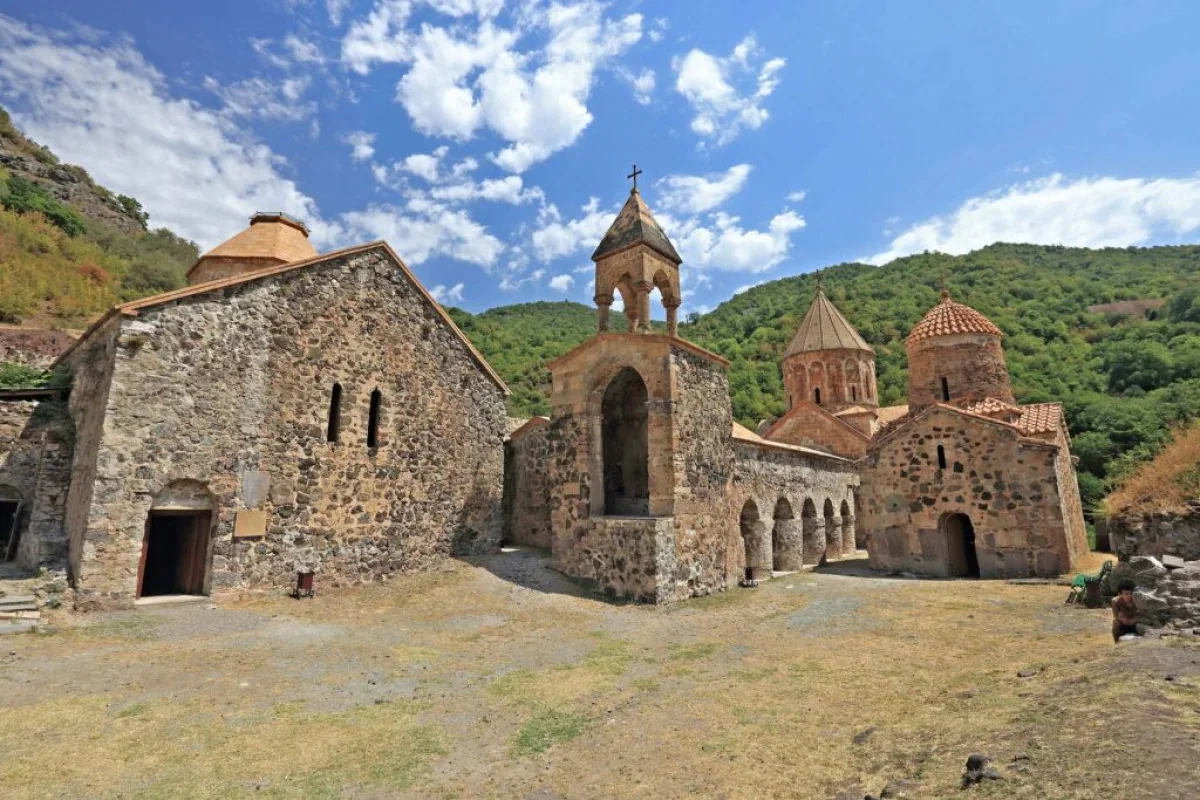
The Albanian-Udi Christian Religious Community of Azerbaijan released a statement condemning Armenia’s reaction to a recent visit by diplomats to Karabakh and Eastern Zangazur, specifically to the Ganjasar and Khudavang monasteries.
The community asserts these monasteries are part of Albanian, not Armenian, historical and cultural heritage. They accuse Armenian political figures and lobbying groups of denying historical facts and hindering the peace process by falsely claiming ownership of Azerbaijani monuments.
The Albanian-Udi community explained that Caucasian Albania is an integral part of Azerbaijan and that Armenia’s denial of this history is unacceptable and rooted in false national exceptionalism. They trace their Christian faith back to 313, when King Urnayr adopted Christianity as the state religion, and point to the 6th-7th century origins of the Khudavang Monastery and the 1216-1238 construction of Ganjasar under Albanian Prince Hasan Jalal Dovla.
The community detailed a history of attempts by the Armenian Gregorian Church to take control of Albanian churches and falsify historical records following pressure from the Tsarist Synod in 1836. They state that, as a result, Albanian churches in Azerbaijan experienced “Gregorianization” and their historical materials were destroyed or altered.
Now, with Azerbaijan’s independence and the restoration of its territories, the Albanian-Udi community is freely practicing their faith in restored churches like Ganjasar, Aghoghlan, and Khudavang, with support from the Azerbaijani government. They expect Armenia to accept the new regional realities and cease its attempts to distort history.