Ireland's free secondary education faced unexpected opposition
Summary and headline written by AI from the source article. How we work
In 1966, Donogh O’Malley, a TD in the Republic of Ireland, introduced free secondary school education despite resistance from within his own political party.
Previous education ministers had attempted similar policies, but O’Malley moved forward with the plan, believing it was a worthwhile investment in the nation’s children. Some people objected to the new policy, worrying about the financial costs and the impact on rural life.
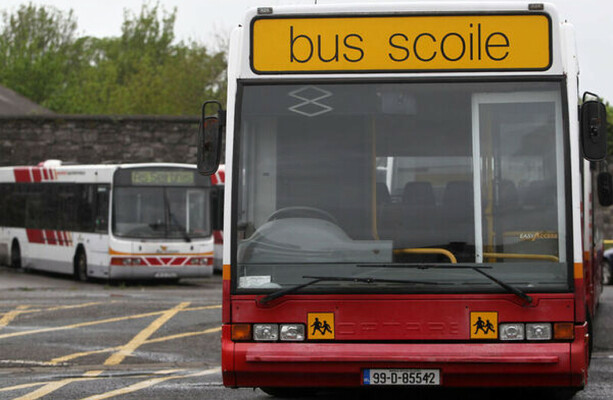
Patrick Lindsey, a TD for Mayo North, argued that school buses would prevent children from learning through observing nature during their walk to school. Others expressed concern that free education would lead to a decline in Gaelic sports, as children would be transported directly to and from school instead of playing games.
Further opposition emerged in the 1970s, with some claiming that university graduates could not easily find employment and that free education encouraged unrealistic expectations for families who should focus on practical trades. Despite these criticisms, the policy led to a generation of Irish people from working-class backgrounds achieving success in various fields, and unemployment stood at record levels in 1977 among the first generation to complete free primary and secondary education.
The long-term benefits of the policy extended beyond immediate job prospects, demonstrating that some initiatives require time to fully realize their potential.