UK collaboration could accelerate progress against AIDS
Summary and headline written by AI from the source article. How we work
Kirsty McNeill, the UK minister for international development and Africa, described the UK’s approach to ending AIDS as one of partnership, emphasizing the importance of combining strengths to achieve more than individual nations could alone.
Many working in international development agree that shifting to a collaborative model is vital for continuing progress against HIV. In 2002, when the UK helped found the Global Fund partnership, only 102,000 people globally had access to HIV treatment.
Recent data from the Global Fund shows that in the past year, 26.9 million people in countries receiving Global Fund investment received antiretroviral therapy. However, funding for HIV programs decreased by $2.1 billion in 2025 compared to 2024, a 25 percent reduction that particularly impacts prevention efforts and disproportionately affects women in sub-Saharan Africa, where six out of ten new HIV infections occur.
The UK’s own cuts to its Official Development Assistance (ODA) budget raise concerns about its commitment to global health leadership. Community-led organizations delivering critical HIV services have seen their capacity reduced by 50 percent due to funding cuts, alongside a concerning rollback of human rights protections.
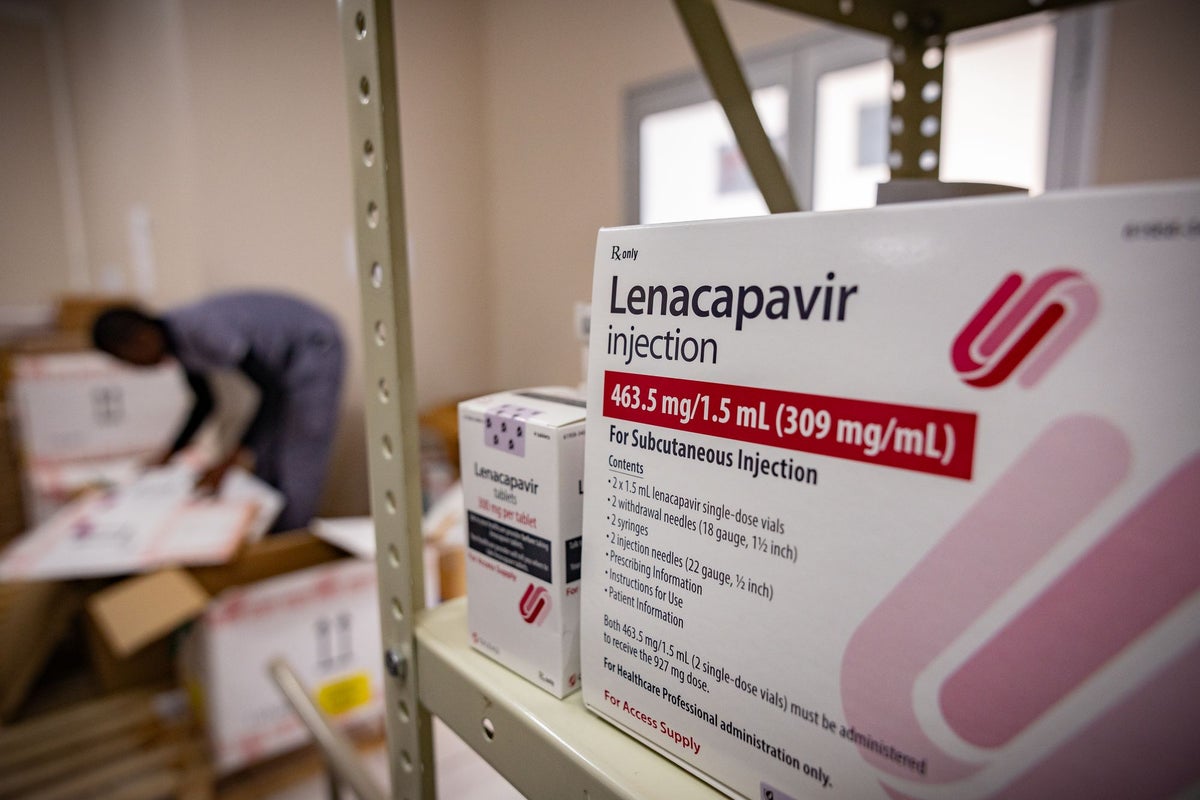
To stay on track to end AIDS as a public health threat by 2030, the UK must renew its commitment to community leadership, human rights, and sustainable funding for innovations like the twice-yearly HIV prevention jab, lenacapavir, and support country-led responses.


