British prosecutors shift focus to suspects in sexual assault cases
Headline and summary by local AI
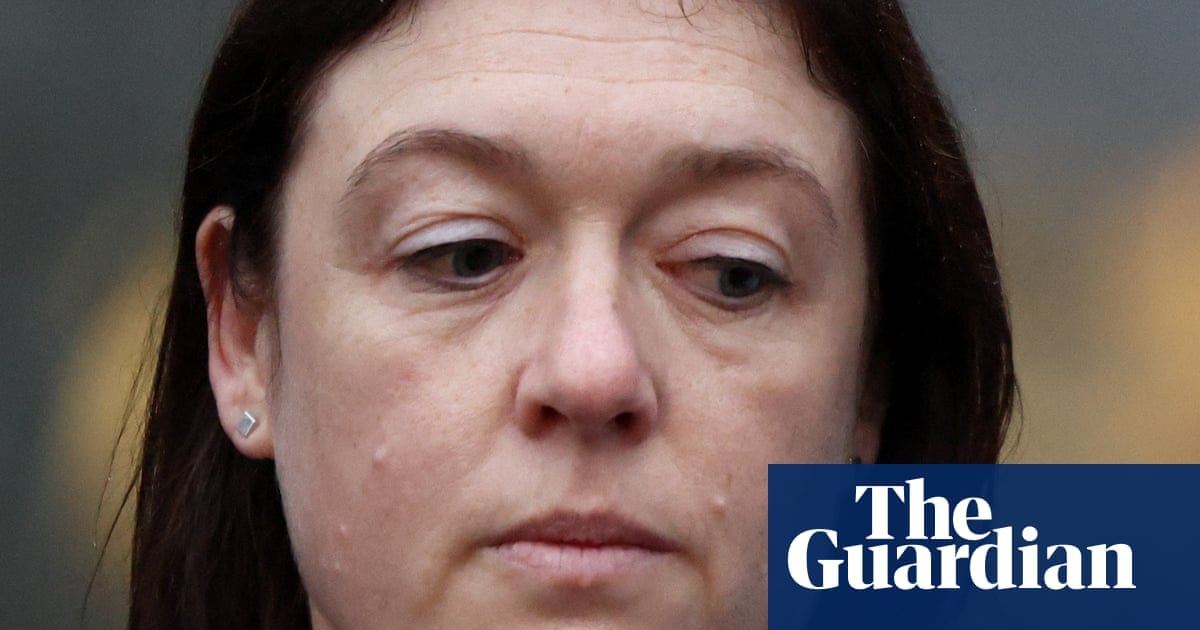
Joanne Young spoke publicly outside Winchester crown court in England after her husband, Philip Young, was convicted of years of drugging and rape.
Young waived her anonymity to share her experience, expressing hope that her case would help other women feel believed by the criminal justice system. A specialist prosecutor from the Crown Prosecution Service Wessex complex and casework unit, James Foster, stated that the team used a suspect-centric approach to build the case.
This method allowed the jury to see that Philip Young could not provide consent for his wife and that other defendants participated in the abuse. This shift in strategy marks a change from previous years when investigations often failed to focus on the suspects. The Crown Prosecution Service previously saw a 60% drop in rape prosecutions between the 2016-17 and 2019-20 periods.
Following a 2021 government review that found victims felt like they were under investigation themselves, the Home Office funded Operation Soteria Bluestone. This initiative, led by Betsy Stanko and Katrin Hohl, instructed police and prosecutors to focus on suspects, engage with victims, and stop searching victims' personal data indiscriminately. While police referrals and charges returned to 2016 levels by 2024, survivors still face a court backlog. Survivors now wait an average of 423 days for a trial.
Katrin Hohl, the government's independent adviser on rape, warned that cases prepared under new standards may still face a cliff edge when they reach the court system.
Selected and summarized by local AI How we work
Thriving: Health improving, rights advancing, lives getting better.