Canada helped save the bald eagle in the US
Summary and headline written by AI from the source article. How we work
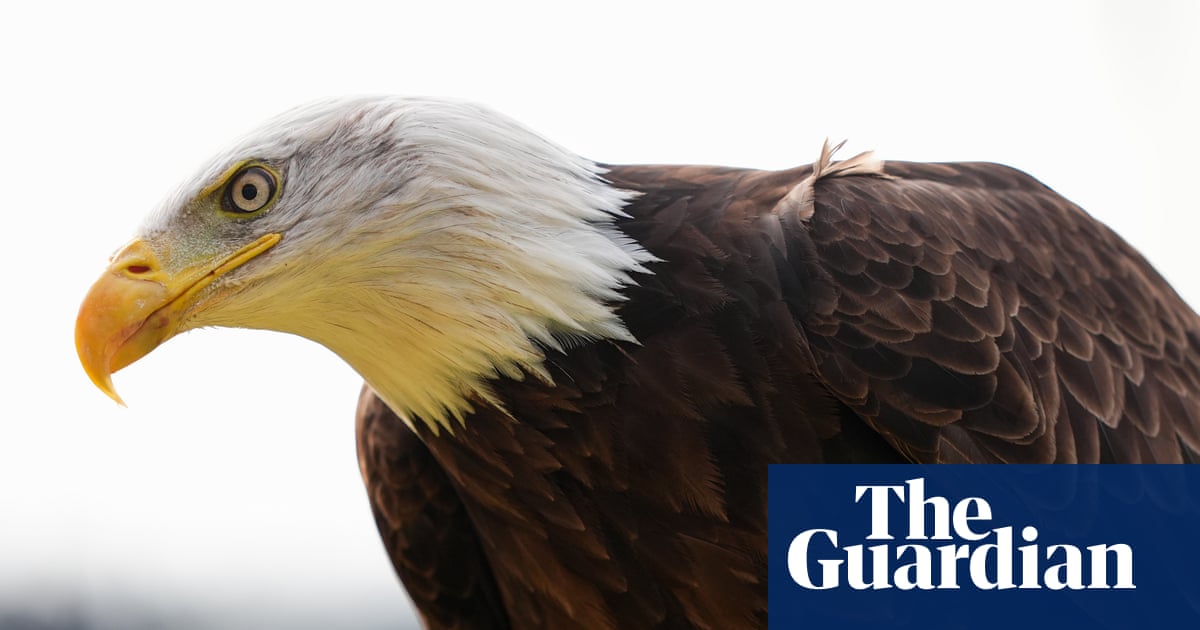
In the United States, the White House recently shared a photograph of a bald eagle and a Canada goose as tensions rose in trade talks between the two countries. Experts point out that the bald eagle, now a national symbol of the US, nearly went extinct and that Canada played a crucial role in its recovery.
For decades, bald eagles faced threats from bounty programs and the widespread use of the pesticide DDT, which caused their eggshells to become dangerously thin. By 1963, only 417 breeding pairs remained in the lower 48 states. Canadian eagles, less affected by DDT due to its limited use in Canada, became a vital source for a US recovery program. Biologists launched “Operation Eaglet” in 1983, transporting juvenile eagles from provinces like Manitoba and Saskatchewan to the United States.
They used a technique called “hacking”, raising the eaglets away from humans to ensure they did not become dependent on people for food. Pennsylvania received 88 eagles from Saskatchewan, and now boasts 300 breeding pairs. Despite legal restrictions initially preventing the import of eagles, the US amended its laws to facilitate the program. Eagles also came from British Columbia and Nova Scotia.
Today, New York state, which once had only one breeding pair, is now home to the eagle seen in the White House’s photograph, illustrating the success of the collaborative conservation effort.