Paleogenetics reveals interbreeding in human history
Summary and headline written by AI from the source article. How we work
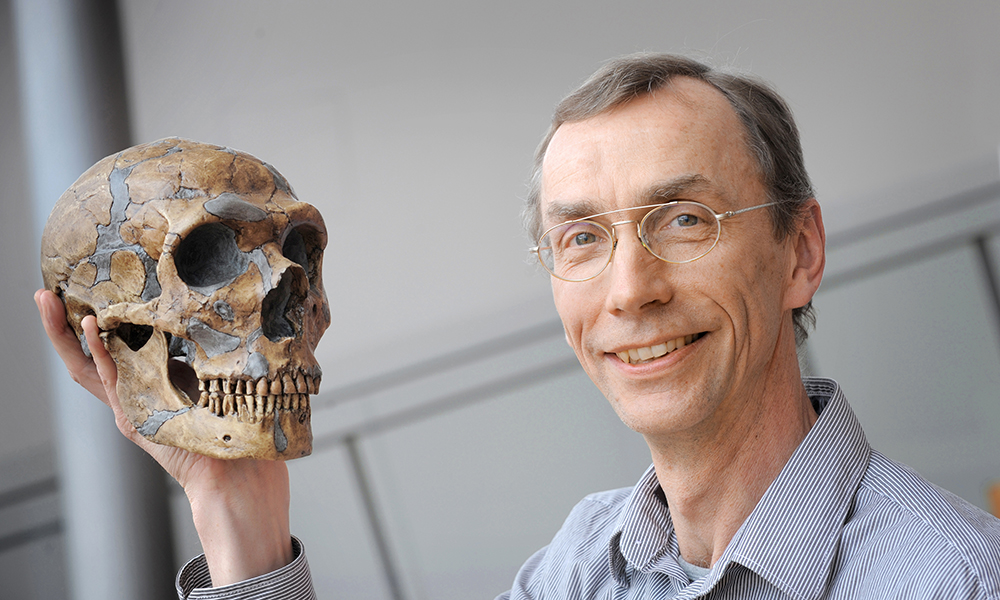
Svante Pääbo, a Nobel laureate and director at the Max Planck Institute for Evolutionary Anthropology in Germany, led research rewriting the genetic history of Homo sapiens.
Pääbo’s Neandertal Genome Project first sequenced the genome of a Neanderthal, demonstrating that Neanderthals and early modern humans interbred. His team later identified the Denisovans, another group of early humans, through DNA from a bone found in Siberia, expanding understanding of human evolution.
Pääbo discovered that people with ancestry outside of sub-Saharan Africa carry between one and two percent Neanderthal DNA, with as much as 60-70% of the Neanderthal genome present in people alive today. His team also found similar genetic contributions from Denisovans in people of Asian origin. Researchers are now studying how these ancient genes affect modern humans, finding that one Neanderthal variant increases the risk of severe illness from COVID-19 while also offering some protection against HIV.
Pääbo believes that the story of humankind is largely a story of mixing between different groups, starting with early humans in Africa and continuing as they spread across the globe. He and his team are currently investigating what genetic changes may have contributed to the unique capabilities of modern humans, focusing on genes related to brain development and function, though they haven’t yet identified a single key factor.
Pääbo will present his work at the 2026 Kafatos Lecture in Heraklion, Crete, Greece.