Bronze Age communities managed Italian woodlands through cyclical cutting
Headline and summary by local AI
Researchers identified that Bronze Age communities in northern Italy practiced systematic woodland management for centuries.
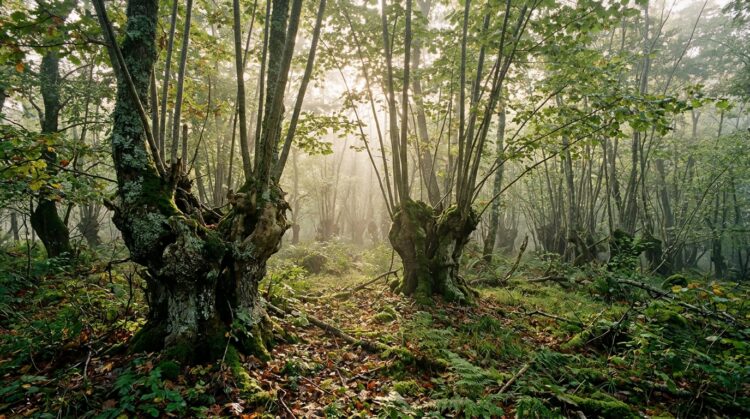
By analyzing fossil pollen in archaeological sediment, the team discovered that these people used a method of selective tree cutting followed by managed regrowth, similar to modern coppicing. This practice allowed the inhabitants of the Po Plain to secure a steady supply of wood without destroying the forest's ability to regenerate.
The study focused on two settlements, Terramara Santa Rosa di Poviglio and Terramara of Montale, which were inhabited between approximately 3650 and 3150 years ago. Scientists examined pollen sequences from these sites to track how vegetation changed over hundreds of years. The data showed that instead of clearing the land entirely, the people engaged in rhythmic cycles of harvesting oak trees and letting other species like hornbeam and ash grow back before the oak populations recovered again.
The researchers found that this management system remained stable for about four centuries. This evidence suggests that early European agricultural societies developed sophisticated ways to shape their environment while maintaining long-term ecological balance. The study suggests that these ancient human interventions created a lasting legacy on the lowland mixed-oak and wetland ecosystems that still exists in the region today. The findings challenge the idea that modern forests are untouched by human history.
The authors note that these long-term records show stability that modern, short-term ecological monitoring often misses. The evidence confirms that sophisticated land-use management existed in Europe as early as 1650 to 1150 BC, providing a historical precedent for sustainable forest production.
Selected and summarized by local AI How we work
Discovery: Archaeology, new knowledge of art, culture and history, forgotten history uncovered, something lost restored.