Gourami’s biology detailed in Vietnamese wetland
Summary and headline written by AI from the source article. How we work
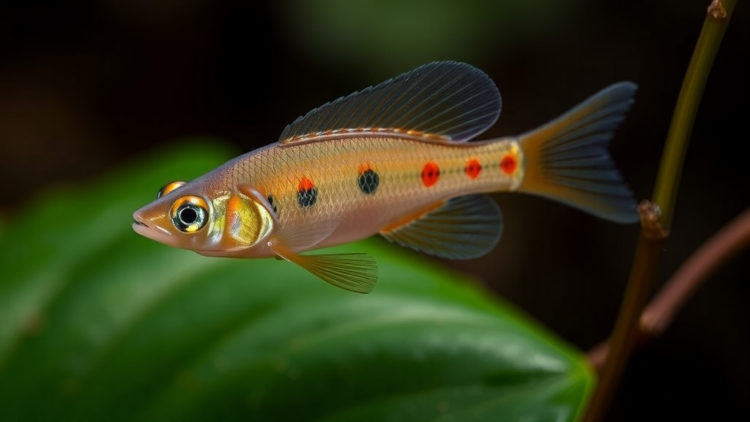
Researchers at Can Tho University in Vietnam studied the three-spot gourami, Trichopodus trichopterus, within the Tra Su wetlands of An Giang Province.
The scientists collected 32 gouramis in March 2025, then meticulously measured their bodies, length, weight, fin ray counts, and more, to create a detailed biological profile of the species. They found the gourami consistently grew in proportion to its size, indicating a stable food supply in the wetland environment.
The study also revealed the gourami is an omnivore, eating fish eggs, zooplankton, and green algae. Analysis of the gourami’s digestive system showed it has features suited to processing both plant and animal matter, revising previous classifications of the species as carnivorous. The researchers compared their findings to those from similar studies in Cambodia and Indonesia, confirming the species maintains a consistent anatomy across the Mekong Delta region.
This detailed information will help with conservation efforts, fisheries management, and the breeding of gouramis for the ornamental fish trade. The researchers suggest further study into the species' reproductive habits and genetics could help protect both the gourami and the Mekong Delta wetlands it inhabits, a habitat facing increasing environmental pressures.