Researchers document 82 medicinal plants used by Mixtec community in Mexico
Headline and summary by local AI
Researchers identified 82 medicinal plant taxa used by Indigenous households in Santiago Ixtaltepec, Oaxaca, Mexico.
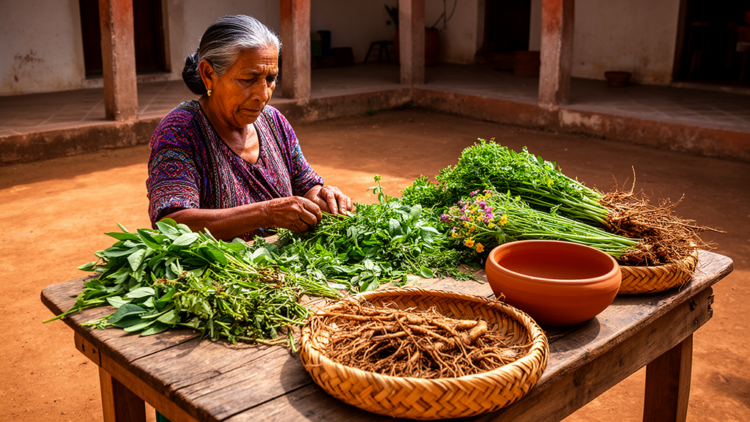
The study analyzed how the Mixtec community manages a diverse botanical repertoire for healthcare. Local residents rely on a combination of wild landscape collection and backyard cultivation to maintain these plants for various medicinal purposes. The investigation involved 32 adult household members who provided 578 individual use reports.
The data revealed that the community draws from a wide variety of botanical families rather than a small cluster of species. The Asteraceae family provided the most variety, accounting for 20.7 percent of the medicinal flora, while 23 other families contributed only a single taxon each. Participants reported using these plants to treat digestive issues, respiratory conditions, and culturally defined illnesses like mal de aire.
While the community shares a broad repertoire of knowledge, the researchers found that use reports center around a core group of frequently cited plants. Knowledge richness among the residents did not differ significantly by gender, but it showed a negative correlation with age and a positive correlation with formal education. The study found that the community obtains the majority of its medicinal plants through wild collection, with 76.8 percent of the taxa coming from the natural landscape.
Residents primarily prepare these plants as teas or infusions for oral use. The researchers concluded that maintaining this system requires community oversight and ecological assessments to monitor the impact of local harvesting.
Selected and summarized by local AI How we work
Discovery: Archaeology, new knowledge of art, culture and history, forgotten history uncovered, something lost restored.