Urban environment shapes mental health of pregnant women in China

Headline and summary by local AI
Researchers in China analyzed a 13-year maternity cohort of 216,442 pregnant women to determine how residential environments affect prenatal mental health.
The team, led by Haitong Zhe Sun, found that environmental factors like air quality and temperature significantly influence mental distress symptoms. The study identified that these symptoms peaked at a rate of 31.8% among the participants. The researchers used model-based estimates to link specific environmental conditions to mental health outcomes.
They estimated that fine particulate matter (PM2.5) and heatwave exposure contributed to 1.61 million symptoms of prenatal mental distress. Conversely, the presence of green spaces was estimated to have prevented 791.7 thousand cases. The study suggests that green spaces improve well-being by reducing pollution stress, lowering heatwave occurrences, and encouraging outdoor physical activity. The findings aim to inform urban planning and fertility support in line with China’s three-child policy and the Healthy China 2030 blueprint.
The researchers noted that while the study provides city-level profiles of maternal mental health liveability, the results are specific to the Chinese context. They cautioned that the attribution figures include wide uncertainty intervals and that the results may not apply directly to other countries with different healthcare systems or cultural settings.
Selected and summarized by local AI How we work
Thriving: Health improving, rights advancing, lives getting better.
More in Thriving
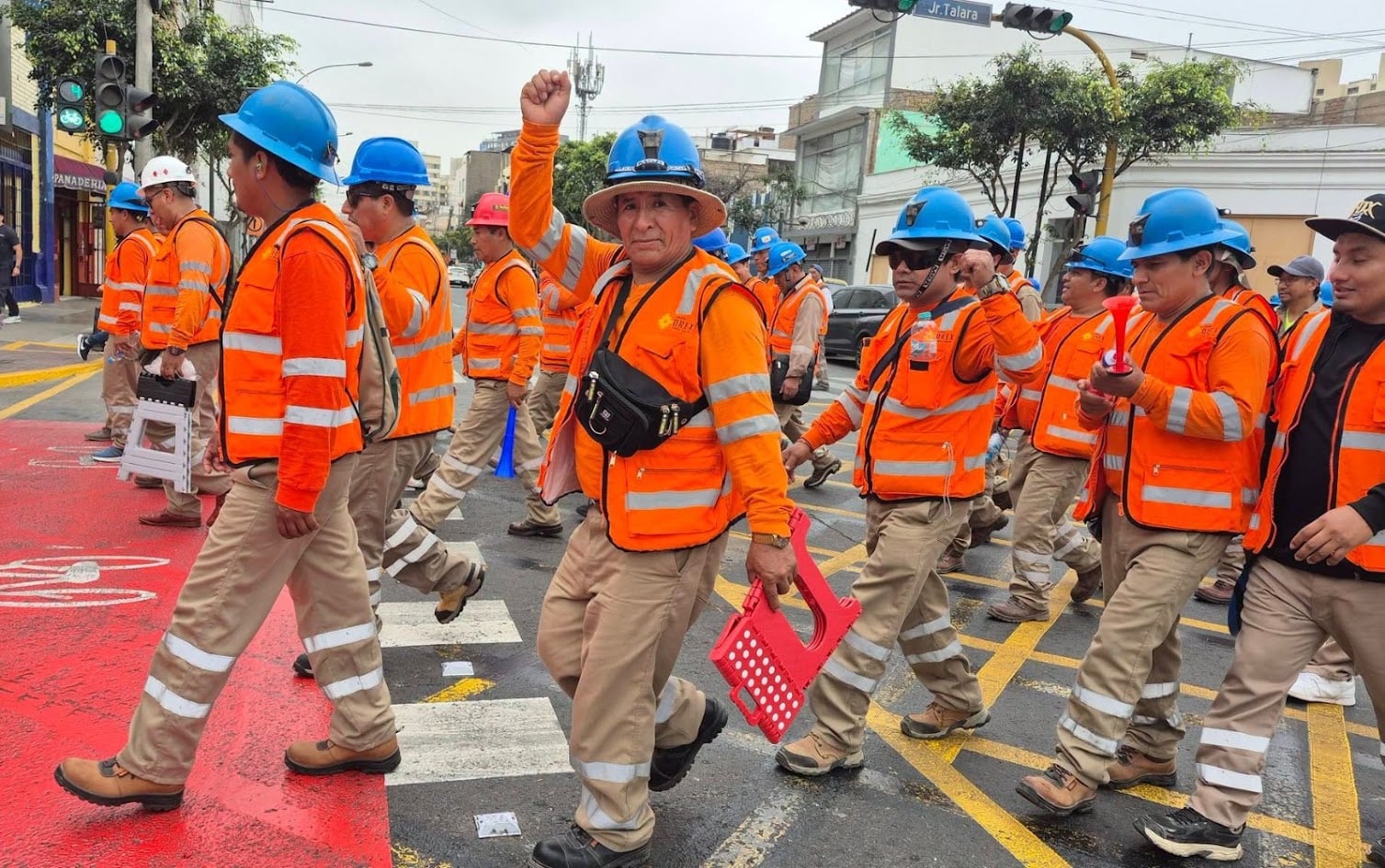
Peru labor ministry resolves 14 conflicts to benefit over 53,000 workers
gestion.pe · 5 Nov 2026
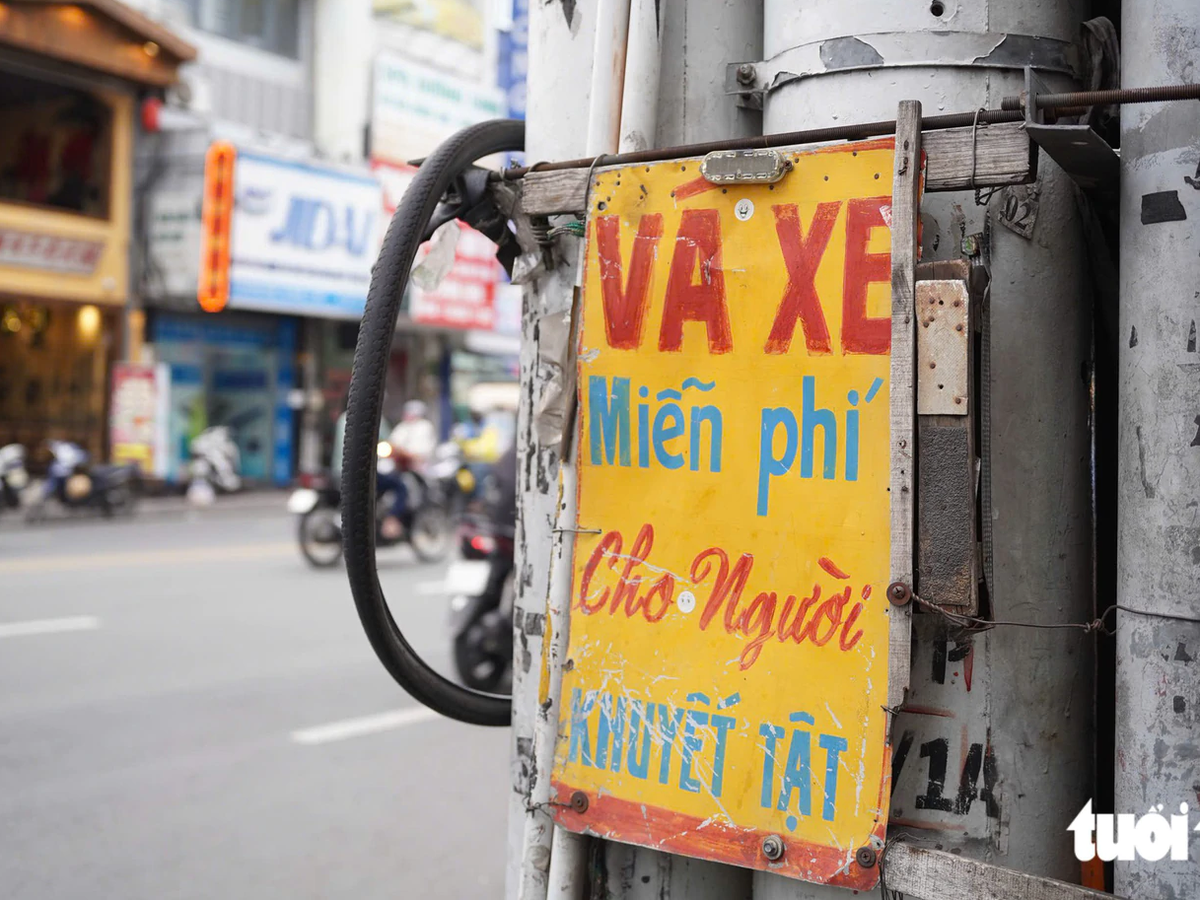
Residents provide free services to support neighbors in Ho Chi Minh City
news.tuoitre.vn · 12 Nov 2026

Reproductive medicine experts provide free consultations in Guizhou
news.sciencenet.cn · 13 Nov 2026