Plants offer hope against antibiotic resistance in poultry
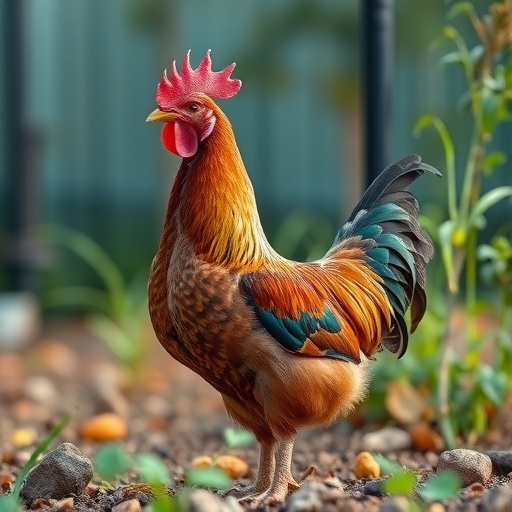
Summary and headline written by AI from the source article. How we work
A. Talebi and A. Savari led a review examining how medicinal plants could replace antibiotics in poultry farming, addressing the growing problem of antimicrobial resistance.
The researchers connected this issue to a larger “one-health” framework, recognizing the links between human, animal, and environmental wellbeing. They found that 1.27 million deaths globally were linked to drug-resistant infections in 2019, with projections estimating 8.22 million annual deaths by 2050 if current trends continue.
Poultry farming contributes to this crisis through widespread antibiotic use for growth promotion and disease control, leading to resistant bacteria and drug residues in meat, eggs, and the environment. The review traced the history of medicine through three eras, pre-antibiotic, antibiotic, and post-antibiotic, noting that the development of new synthetic antibiotics has stalled.
With over 300,000 plant species containing 9,225 identified phytochemicals, medicinal plants offer a diverse range of bioactive compounds like tannins, saponins, and flavonoids with antiviral, antibacterial, and anti-inflammatory properties. These compounds work by disrupting pathogens or boosting the bird’s immune system. Specific plants showed promise in trials. Guava extract inhibited Salmonella and E. coli, while Phyllanthus niruri combatted Mycoplasma gallisepticum. Beyond treating specific diseases, compounds like carvacrol from oregano improved overall chicken health, and turmeric modulated immune responses following vaccination.
The authors also noted that plant-based vaccine technology is emerging, offering the potential for oral delivery and heat-stable seed-based formulations.


