X-ray study challenges forensic dating with bone crystals
Summary and headline written by AI from the source article. How we work
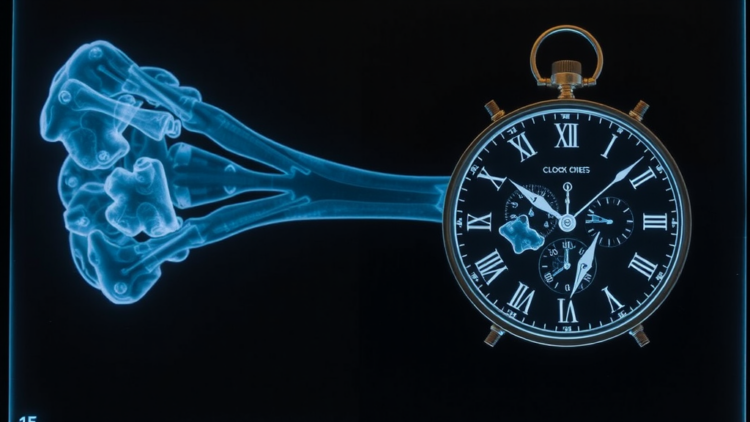
Researchers at the University of Coimbra in Portugal tested whether the structure of bone crystals could reliably indicate how long a person has been deceased.
The team, led by Catarina Ermida, analysed 38 unburned human clavicles, a type of collarbone, with known postmortem intervals ranging from four to 500 years. They used X-ray diffraction to examine the crystallinity of bone mineral, hypothesising that crystals would grow larger and more ordered with time.
The study found a moderate correlation between the crystallinity index, a measure of crystal sharpness, and the time since death. However, crystallite size, another measure of crystal structure, showed no consistent relationship with postmortem interval. Variability in soil composition, moisture, and temperature significantly impacted bone crystal development, creating overlap in data that made precise dating impossible. To further test the method, the researchers also examined 12 burned clavicles, all four years old at the time of analysis.
They discovered that burning dramatically altered the crystallinity, potentially misleading investigators into believing a recent bone was much older. The team concluded that while X-ray diffraction can offer insights into postmortem changes in bone, it cannot reliably determine a precise postmortem interval due to environmental factors and the effects of fire.