Iraq’s copepod inventory reveals native and invasive species
Summary and headline written by AI from the source article. How we work
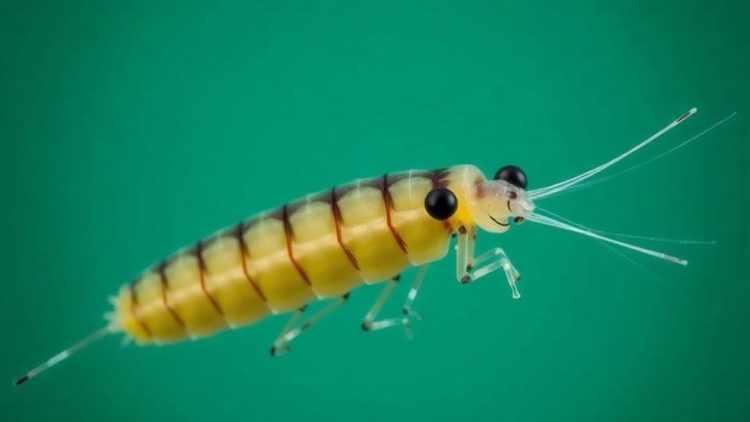
Researchers in Iraq identified 51 species of copepods, tiny crustaceans vital to aquatic food webs, by reviewing records from 1921 to 2025. They compiled the first modern checklist of these animals in Iraqi rivers, marshes, and coastal waters, confirming the presence of 22 freshwater species and 29 marine species.
The team focused on verified species identifications, excluding larval stages and uncertain records to create a standardized list.
They organized the copepods into three main groups: Calanoida, Cyclopoida, and Harpacticoida, noting that harpacticoids appear underrepresented due to limited sampling of their benthic habitats. The study also pinpointed Phyllodiaptomus irakiensis as the country’s only known endemic copepod species, a freshwater crustacean unique to southern Iraq. Scientists determined this species differs from related copepods through specific physical traits.
Beyond native species, the research revealed the presence of invasive copepods, including Limnoithona tetraspina, originally from East Asia, which arrived likely through ballast water from ships. Researchers noted gaps in knowledge about Iraqi copepods, suggesting that the current count of 51 species is likely an underestimate. They found that sampling efforts and habitat coverage greatly influence reported species richness, and that many widespread copepods may actually be groups of distinct, genetically different species.
Further research, including more extensive surveys and molecular analysis, is needed to fully understand the diversity of copepods in Iraq and monitor the impact of environmental changes and invasive species.