Gilcrease Museum integrates Indigenous voices into new gallery design
Headline and summary by local AI
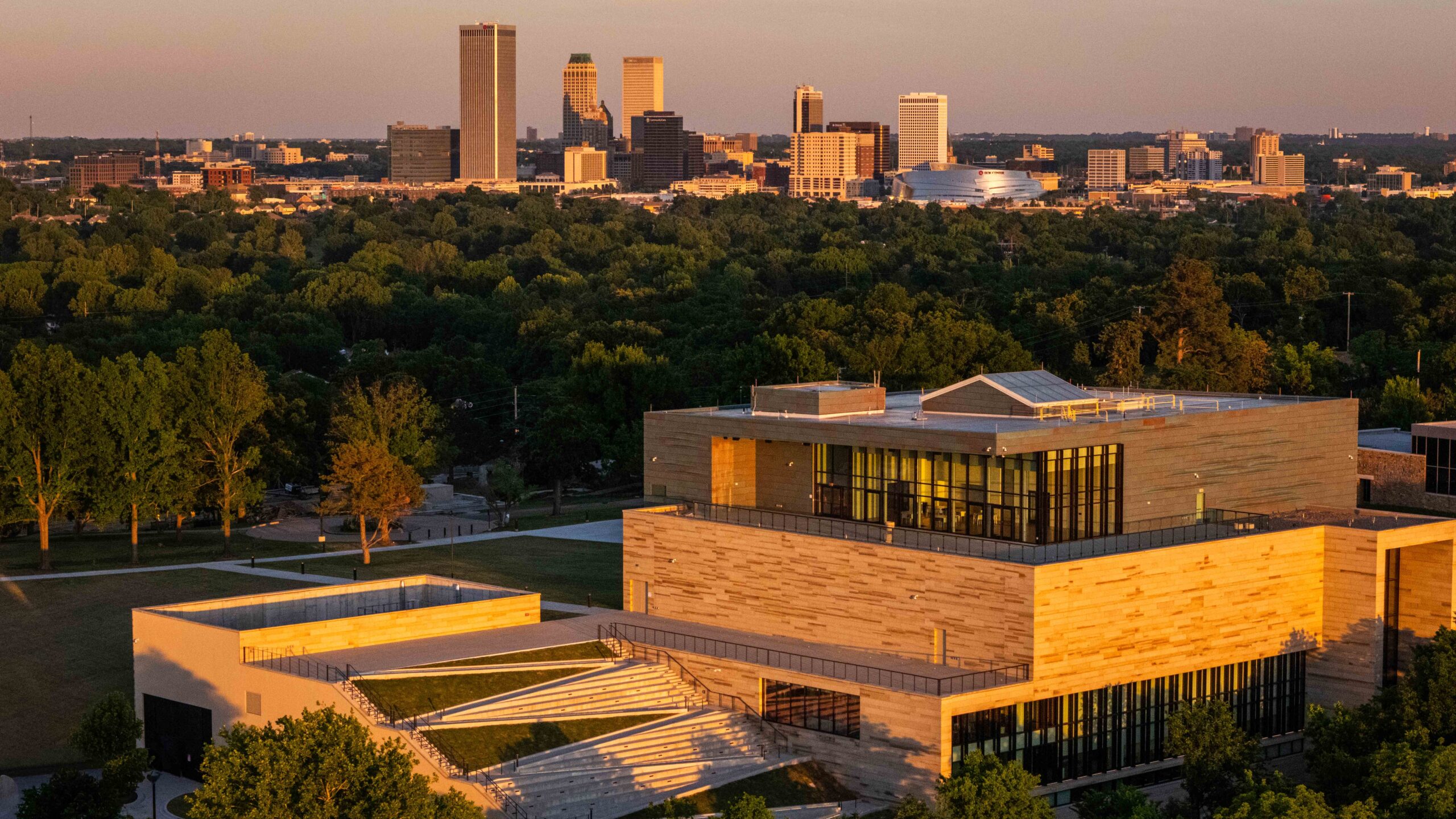
The Gilcrease Museum in Tulsa, Oklahoma, is redesigning its exhibition approach to center the voices of Indigenous communities before its reopening in March 2027.
Chelsea Herr, the curator of Indigenous art and culture, is overseeing the transition to ensure that the museum narrates its collections through the perspective of the people represented in the art. The museum underwent a $140.9 million reconstruction starting in July 2021 to replace aging facilities with a modern building.
Staff members and tribal representatives are collaborating to reshape how the museum presents its holdings, which consist of more than 60% Indigenous items. The museum invited 50 federally recognized tribes to participate in this process, and approximately 35 tribes have collaborated at various levels. Some of these communities served as co-curators to select specific artworks and write the labels for the galleries. This partnership ensures that the communities who lived through the histories are the ones telling them.
The new galleries will feature works by Mvskoke artists and include interactive exhibits like recorded Mvskoke hymns from the First Indian Baptist Church of Moore. One section of the museum will focus on the Native American Graves Protection and Repatriation Act, highlighting the work of tribal preservation and repatriation officers. The museum also intends to address the complex legacy of its founder, Thomas Gilcrease, a Muscogee citizen who established the collection using oil wealth from his allotted lands.
Selected and summarized by local AI How we work