Rural farmers face higher stroke risk and slower emergency response
Summary and headline written by AI from the source article. How we work
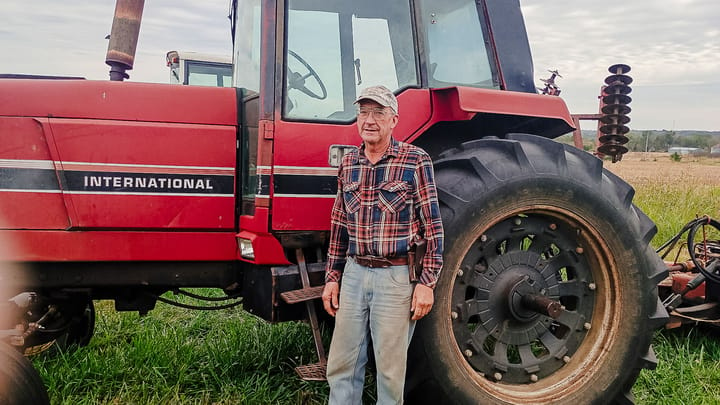
Max Menefee, a farmer in Kansas, survived a stroke after his granddaughter noticed him collapse on a farm near Kansas City.
Menefee initially dismissed his symptoms as dizziness, but he received life-saving thrombolytic therapy at a hospital in Paola, Kansas. While Menefee recovered quickly, his experience highlights a broader trend where rural residents face greater obstacles to receiving rapid stroke care. Medical data shows that stroke incidence is 23% to 30% higher in rural areas than in urban ones.
Furthermore, only 26% of rural residents live within a 30-minute drive of a stroke center, whereas 70% of urban residents have such access. These geographic barriers contribute to slower treatment times; rural hospitals achieved a door-to-needle response time of 45 minutes or less in only 31.1% of cases, compared to 44.8% in urban hospitals. Dr.
Edward Jauch of the American Heart Association says the stoic nature of farming communities often leads people to minimize symptoms like slurred speech or facial drooping. To address these gaps, the Rural Healthcare Outcomes Accelerator program helps rural hospitals identify care gaps and benchmark their performance against evidence-based guidelines. Since 2022, over 500 rural hospitals have joined the program to improve heart attack and stroke care.
While rural centers provide secondary prevention treatments like statins and smoking cessation counseling at levels similar to urban hospitals, Dr. Jauch notes that rehabilitation remains an under-resourced asset in rural communities. He urges rural residents to recognize stroke signs immediately and call 911 rather than waiting to see if symptoms pass.