Indigenous self-governance adapts to modern challenges
Summary and headline written by AI from the source article. How we work
Across the globe, Indigenous Peoples are actively maintaining and evolving their self-governance systems despite centuries of colonial pressures.
These systems prioritize community, culture, and connection to the land, operating often outside of or alongside State legal frameworks. Leaders emerge not through elections or wealth, but through demonstrated service and community recognition, with decisions made through dialogue and collective assemblies. While some States have begun to recognize Indigenous self-governance, this recognition is often limited and conditional, creating dependencies through resource allocation.
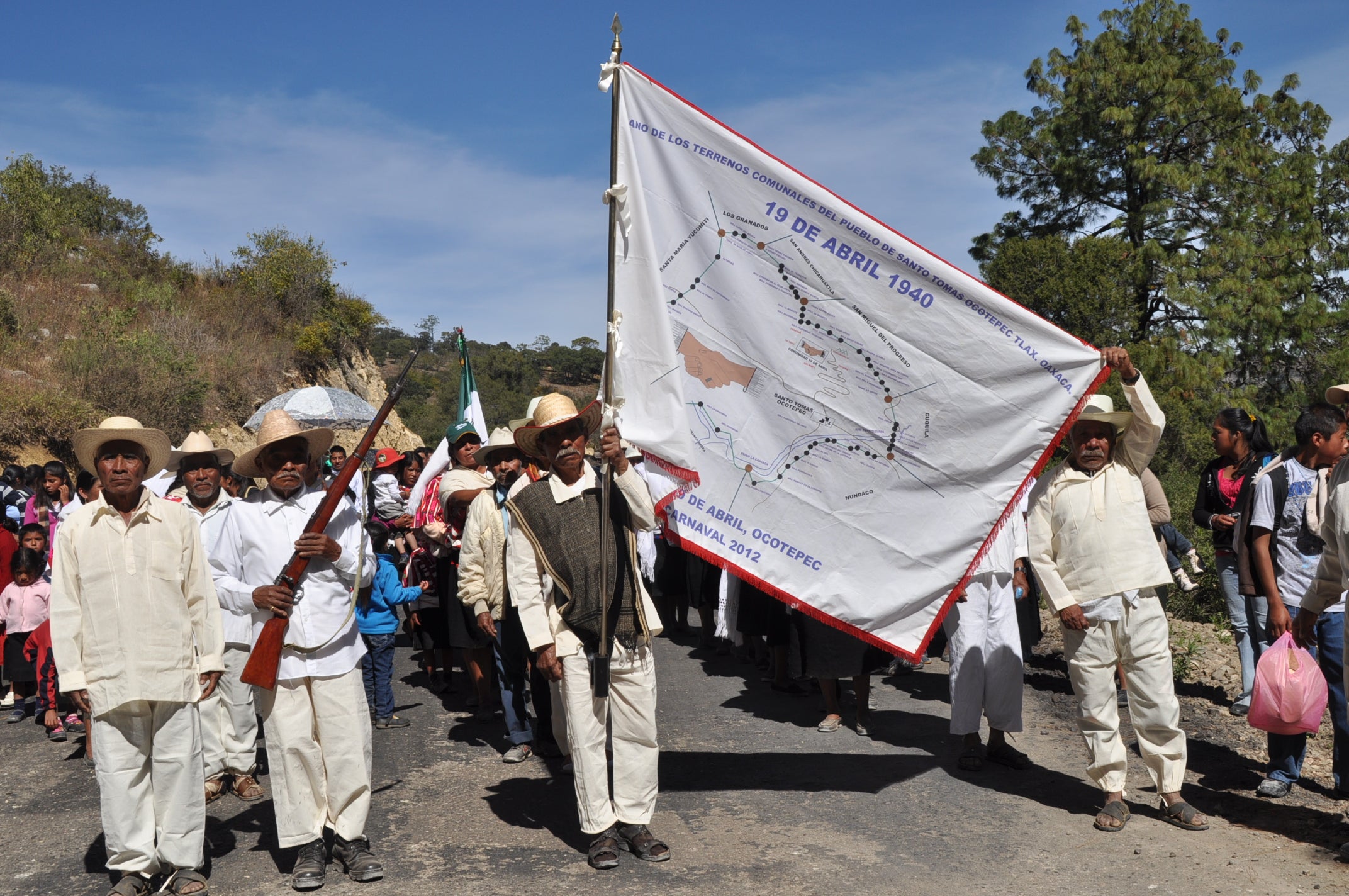
Indigenous communities are also confronting new challenges like resource extraction, land grabbing, and the pressures of modern development, which intensify conflicts and risks for those defending their territories. Examples from Oaxaca, Mexico show that in 417 of 570 municipalities, Indigenous regulatory systems still govern. Similarly, the Sámi Peoples of northern Europe have established parliaments to engage in dialogue with State governments about rights and territories.
These examples demonstrate a persistent ability to adapt and resist, even in the face of historical assimilation and ongoing exclusion, and a vision of governance built on shared futures rather than exclusion.