Ecuador’s Indigenous Communities unite to defend water sources
Summary and headline written by AI from the source article. How we work
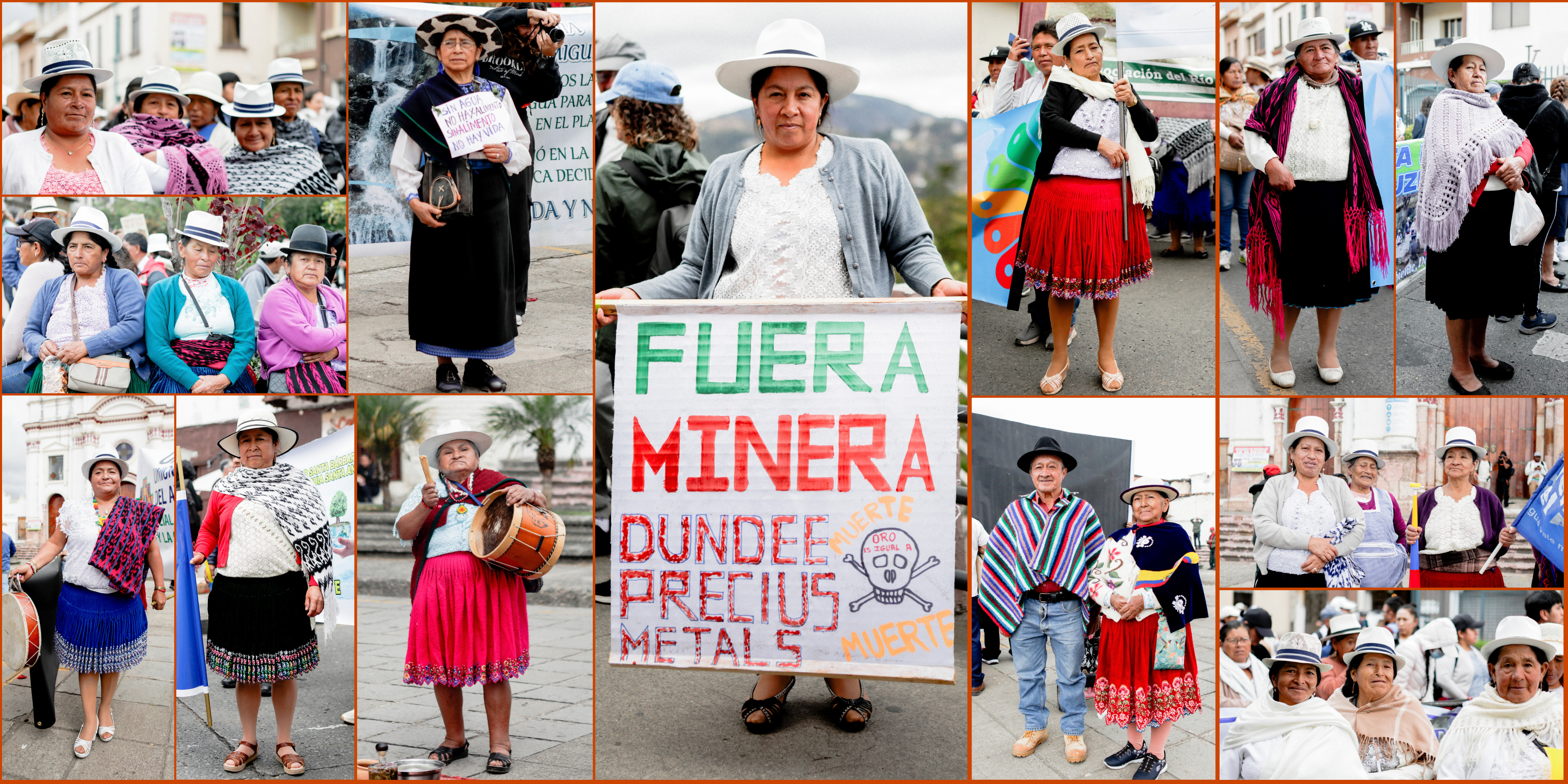
In Ecuador, Indigenous Kichwa and campesino communities marched in Cuenca on September 16, 2026, to defend water resources in the páramo, the high-altitude Andean grasslands, and protest threats to their territories.
Hundreds of people participated in the second “Quinto Río” (Fifth River) march, building on a previous demonstration that drew 100,000 participants. Communities are concerned about mining projects like Loma Larga, which impact the Kimsakocha páramo, a crucial water source for agriculture and ecosystems.
The march extended beyond protesting external threats, as young people actively work to restore native plants and páramo ecosystems damaged by wildfires and climate change. A collective of young women, supported by a Cultural Survival fellowship, maintains a native plant nursery to revitalize riverbanks and share ancestral knowledge. Women are playing a leading role in these efforts, often taking responsibility for maintaining community life while men are absent.
The Federación de Organizaciones Indígenas y Campesinas del Azuay (FOA) has spent 30 years organizing to protect Kimsakocha and opposing harmful projects. In Loja, youth leader Tamia Contento is fostering entrepreneurship and cultural expression to strengthen connections to their territories. These initiatives demonstrate that defending territory involves both resisting threats and actively caring for the land, ensuring the continuation of culture and livelihoods for future generations.