Indigenous self-governance sustains knowledge in Uganda
Summary and headline written by AI from the source article. How we work
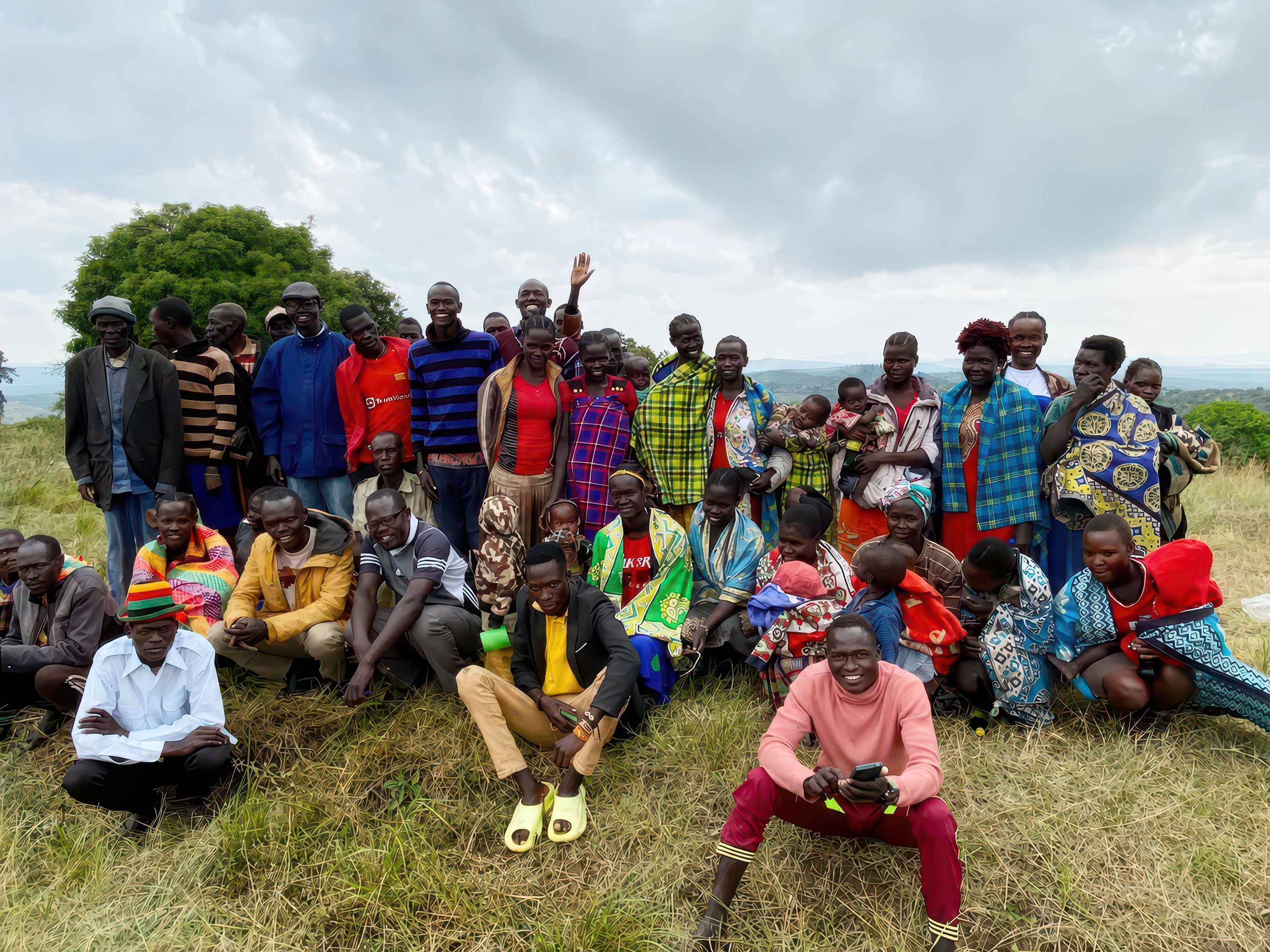
In Abim District, Karamoja, Uganda, Indigenous communities are using traditional self-governance to protect their climate knowledge and food systems.
For generations, people there have relied on close relationships with their environment, observing changes in animals, plants, and the stars to predict weather and plan for the future. This knowledge, passed down through stories and teachings, guided decisions about planting, drought preparation, and resource protection. Today, climate change threatens these practices, bringing longer droughts and unpredictable rainfall.
Communities in Abim respond by prioritizing collective responsibility and consulting Elders, women, and clan representatives when making decisions about land and resources. Elders serve as keepers of historical and environmental knowledge, while women maintain crucial understanding of seeds, crops, and food preservation techniques. These communities view land not as a commodity, but as a cultural and spiritual responsibility, leading them to restore degraded areas and manage resources sustainably.
They are also actively working to ensure younger generations learn from Elders, preserving Indigenous knowledge for future climate resilience and food security. This intergenerational learning is seen as vital for sustaining culture, identity, and the ability to adapt to a changing world.