Archeologists find 280 Paleolithic engravings in a Spanish cave
Headline and summary by local AI
Archeologists discovered 280 prehistoric engravings in the Cova de la Font Major cave located in Espluga de Francolí, Catalonia, in northeastern Spain.
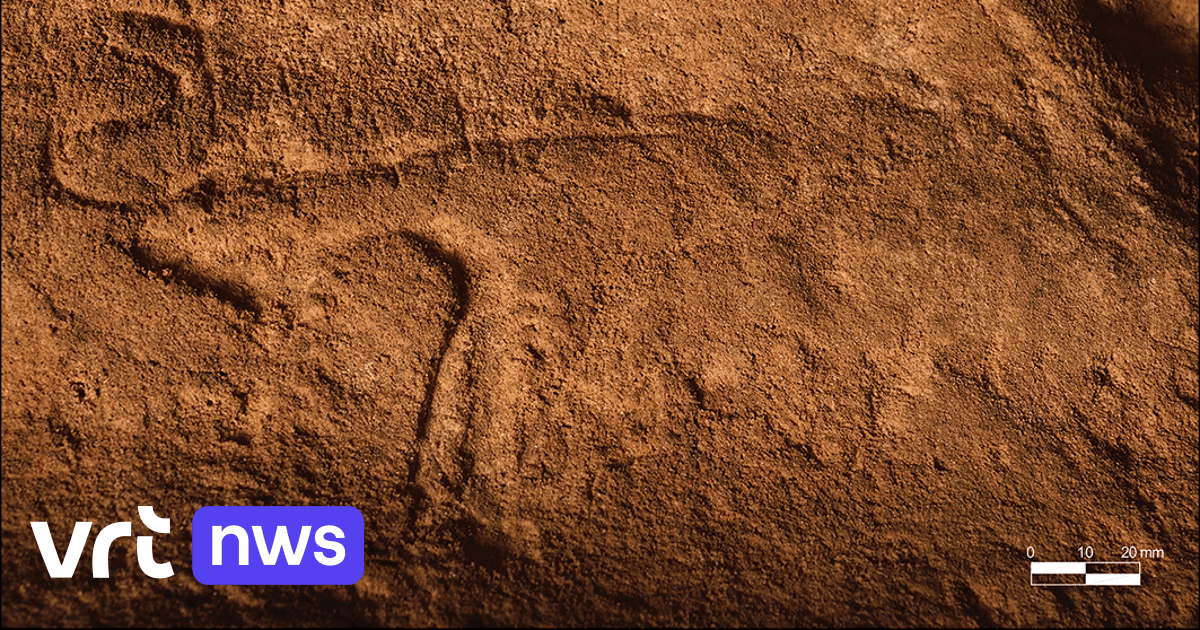
The researchers identified these markings during excavations that began in late 2019. The collection includes 55 recognizable animal figures, such as horses, deer, goats, and cattle. One of the most notable finds is a rare depiction of a bear, which is uncommon in prehistoric cave art.
The researchers also identified various geometric shapes, including circles, squares, and parallel lines. Unlike many famous cave paintings, these images were scratched into the walls rather than painted. The discovery is notable because Catalonia previously had very few documented prehistoric cave images. Researchers believe many of the engravings are more than 19,000 years old. They also found evidence of human presence in deeper parts of the cave between 40,000 and 25,000 years ago.
The researchers still do not know if prehistoric people used the cave as a shelter, a site for rituals, or for another purpose. The carvings remained hidden for decades despite the cave being open to tourists since 1957. Míriam Salas-Altès explained that the images are located in dark underground passages that are difficult to see even with headlamps. Some of the original carvings have been damaged or obscured by modern graffiti.
Authorities have now limited tourist access to the galleries to protect the fragile prehistoric art.
Selected and summarized by local AI How we work