South Korea provides free AI access to all citizens
Summary and headline written by AI from the source article. How we work
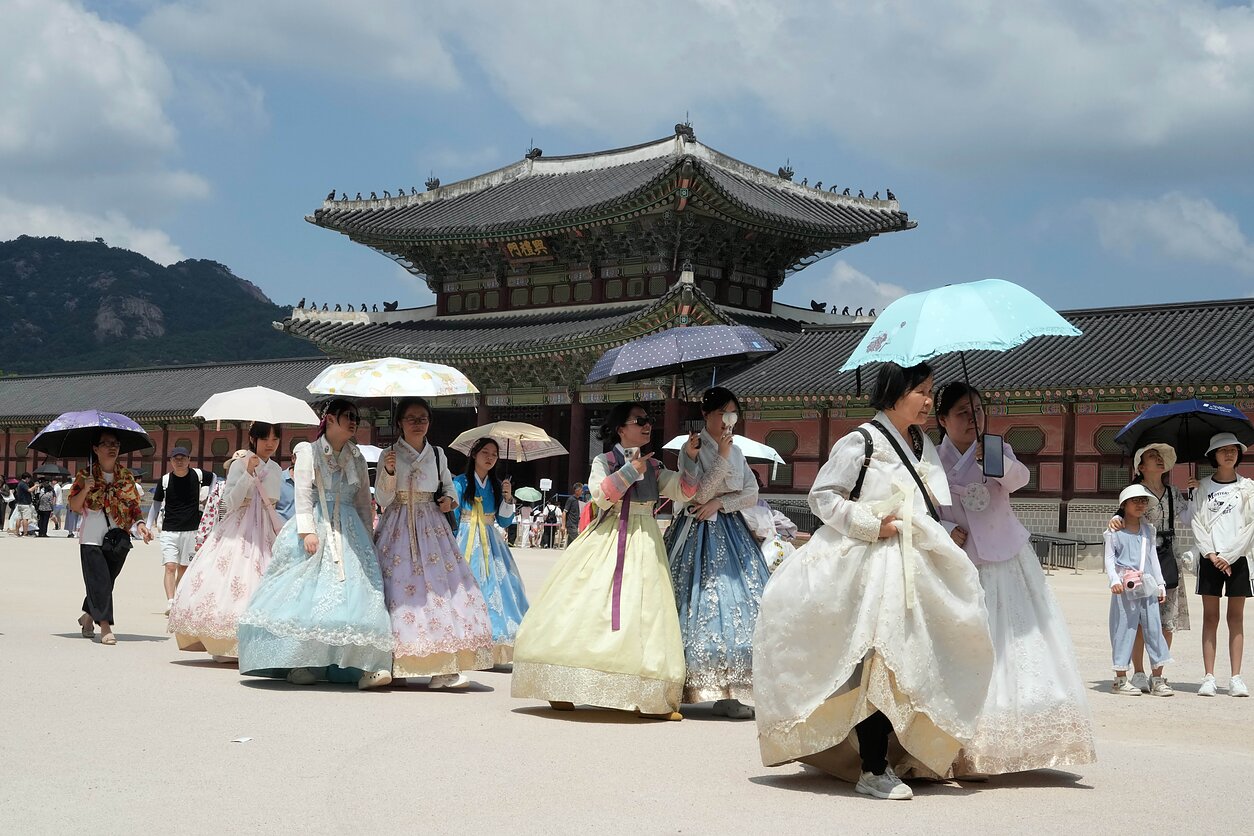
On August 28, South Korea’s Ministry of Science and ICT announced it will provide free access to artificial intelligence (AI) for all of its citizens.
The government selected three consortia, led by SK Telecom, KT, and Kakao, to deliver unlimited, free access to generative AI for roughly 52 million residents by the end of the year. The program, called “AI for All,” will not include paid tiers, token limits, or subscription levels.
South Korea views AI similarly to broadband internet or public education, as infrastructure the state funds and standardizes. Vice Premier and Minister of Science Bae Kyung-hoon described it as “the calculator and computer of the AI era.” South Korea is the first G20 nation to implement this model. The program deliberately avoids a separate government portal. Kakao will use its KakaoTalk messaging app, used by almost the entire population, as the primary access point.
SK Telecom will rely on phone calls and text messages, while KT will use a physical service network and digital literacy assistance program. The government intends this approach to prevent AI from creating a new digital divide based on ability and income, extending access to elderly people, those with disabilities, and those with limited digital skills.
Citizens will be able to use the AI to register with doctors, search for rental housing, and get tax explanations, while small businesses can calculate taxes and check eligibility for government support. A trial version will begin in September, with SK Telecom joining in October and full launch expected by year’s end. Currently, over 20 million Koreans already use free generative AI tools. The program extends beyond a simple chatbot.
The second phase will create a public service agent that assesses a citizen's situation, determines eligibility for benefits, proactively informs them of programs, and completes applications on their behalf. This shifts the model from citizens finding services to services finding citizens.
The national AI initiative will require at least half of each system to use locally developed Korean AI models, with the government allocating 512 Nvidia B200 processors this year and 250 billion Korean won (about 155 million euros) to the program in 2027. The government estimates this funding is sufficient to serve around 10 million users per day, with support planned through the end of 2030.