Lithuanian folklore isn't always wisdom
Summary and headline written by AI from the source article. How we work
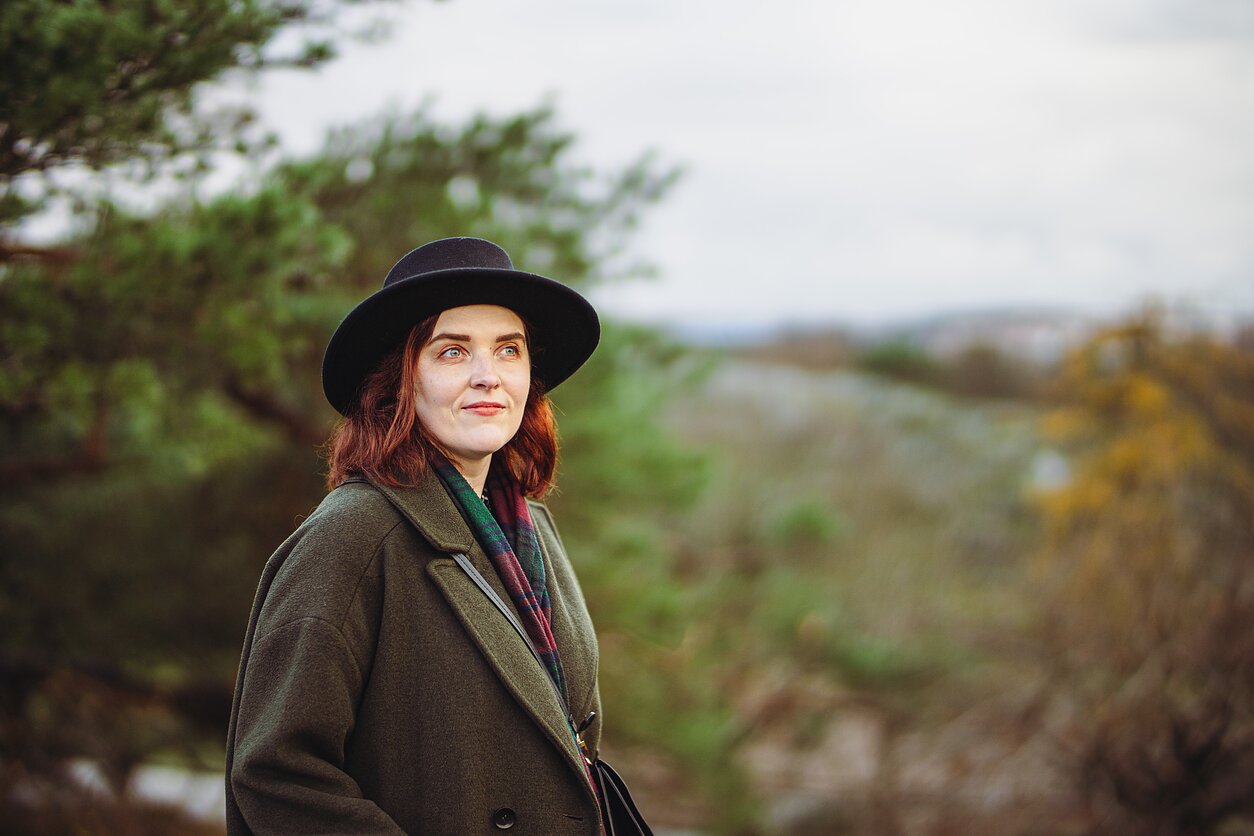
Dr. Asta Skujytė-Razmienė, a folklorist from Raubonys village in Pasvalys district, Lithuania, studies folklore as a dynamic phenomenon, not just a collection of ancient wisdom.
She researches ethnology, folk medicine, and the history of medicine, viewing folklore as a constantly changing part of culture. Skujytė-Razmienė traces her interest in folklore back to her university studies in Lithuanian philology and semiotics, where she found her calling while researching traditional beliefs.
Her doctoral dissertation focused on images of infectious diseases in 19th and 20th century folklore, revealing how old ways of thinking still influence modern beliefs, particularly during events like the COVID-19 pandemic, when traditional remedies and conspiracy theories resurfaced. Skujytė-Razmienė emphasizes the importance of studying “darker” themes like illness and death, arguing that acknowledging these topics is crucial for understanding the past and present.
She also explores the concept of “prigimtinė kultūra,” or “natural culture,” which recognizes the interconnectedness of rural, urban, and estate cultures. Skujytė-Razmienė actively participates in public discussions and encourages a balanced approach to understanding traditional culture, cautioning against both romanticizing it and dismissing it as outdated. She currently co-hosts the LRT KLASIKOS show "Bala žino," where she and Martynas Vingrys explore lesser-known aspects of Lithuanian folklore.