Ancient protein analysis confirms gendered grave goods for Estonian Children
Headline and summary by local AI
Karin Rannaäär, a junior researcher at the University of Tartu, used paleoproteomics to identify the biological sex of children buried in late Iron Age and early Medieval Estonia.
By extracting ancient proteins from dental enamel to identify XX or XY chromosomes, Rannaäär provided a definitive way to cross-reference the gender of the deceased with the items found in their graves. This method allowed her to test the long held assumption that boys were buried with weapons and girls with jewelry.
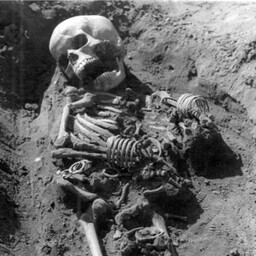
Rannaäär analyzed burials at the Pada and Kukruse archaeological sites in Lääne-Viru County. Her findings suggest that age 10 serves as a turning point for children in these societies. While infants were buried with simple, uniform items like bronze studs and beads, children around age 10 received much more complex and gender specific grave goods. For girls, the amount of jewelry increased significantly at this age to resemble the items found with adult women.
For boys, the grave goods shifted to include tools and spearheads similar to those of men. Rannaäär suggests this change could mean boys were already practicing with weapons or that the items were intended for their future roles as warriors. The research indicates that these communities viewed children as small adults rather than insignificant members of society. The children were buried alongside adults without separate burial zones or customs.
Selected and summarized by local AI How we work