Dinosaur eggs hatched with compost heat near Antarctica
Summary and headline written by AI from the source article. How we work
Paleontologists working in Patagonia, Argentina, examined over 250 dinosaur eggshell fragments and determined the creatures lived in a colder climate than previously known.
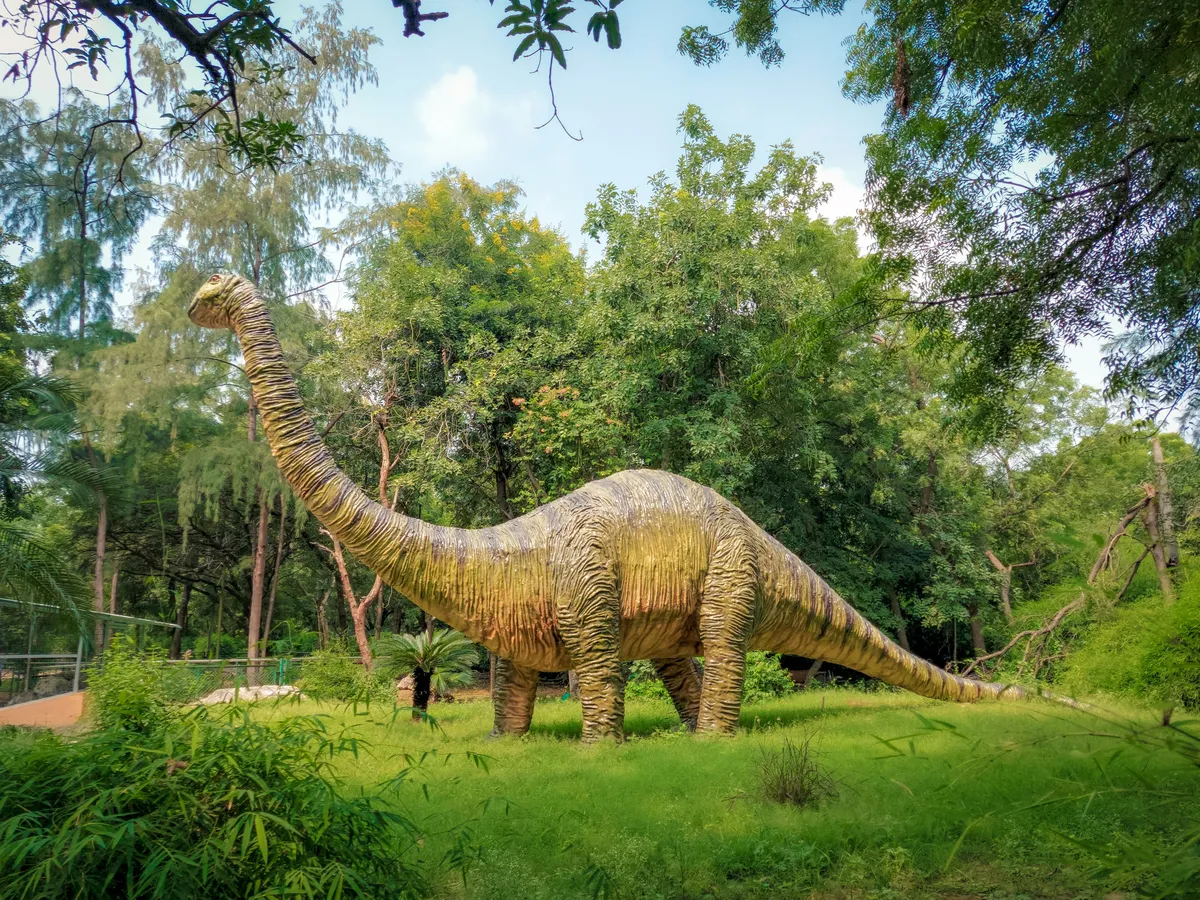
Koheij Tanaka of Tsukuba University in Japan led a team analyzing the shells, discovering they came from titanosaurs, large, long-necked sauropods, during the late Cretaceous period. The nesting sites were located between 55 and 60 degrees south of the equator, with a climate similar to modern-day New York.
Titanosaurs could not incubate their eggs by sitting on them due to their immense size. Researchers found the eggshells, named Fusioolithus, were exceptionally porous, suggesting they were buried in nests. While covering the eggs would have helped retain some heat, sunlight alone would not have provided enough warmth at such a high latitude. Tanaka’s team proposes the titanosaurs used a method similar to modern saltwater crocodiles and Australian mallee fowl, piling decaying plant matter around their eggs.
This process creates heat through microbial decomposition. The large pores in the eggshells would have allowed oxygen to reach the developing embryos while buried, supporting the theory that fermentation provided the primary heat source for incubation. The discovery expands the known range where dinosaurs successfully reproduced, demonstrating titanosaurs nested at higher latitudes than scientists previously understood.


