Sweden uses district heating to warm over 90 percent of residential buildings
Headline and summary by local AI
Sweden uses a combination of district heating, heat pumps, and high-quality insulation to manage long, cold winters.
The European district heating association Euroheat & Power states that district heating covers more than 90 percent of residential buildings in Sweden. This system provides about half of the total heat demand in the country. While these plants previously burned oil, they now primarily use biomass, industrial waste heat, and cogeneration.
The Stockholm Environment Institute reports that fossil fuels account for less than 5 percent of heating energy, making Sweden's share of renewable heating the highest in the European Union. Homeowners in Sweden also rely on electricity for family houses, often using heat pumps and biomass. Builders construct homes with thick insulation, triple-glazed windows, and heat recovery ventilation systems that reuse outgoing air to warm incoming air.
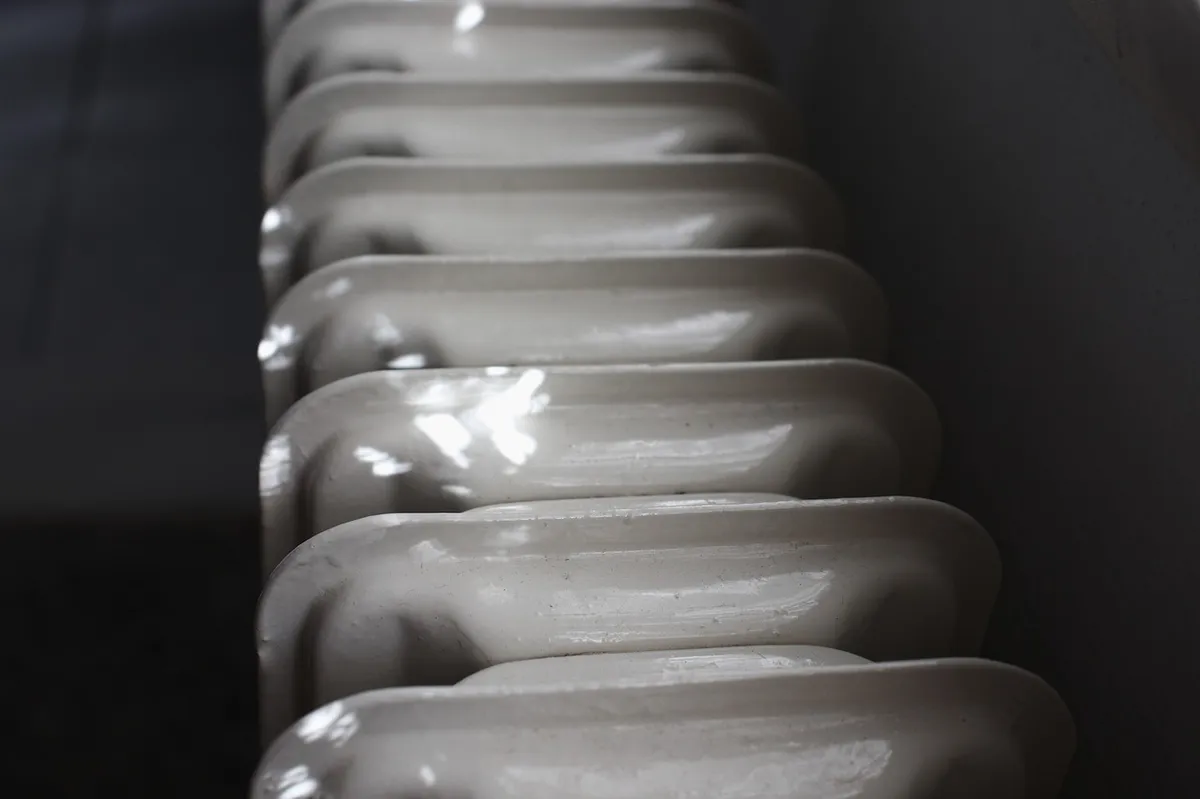
Residents use smart thermostats to lower temperatures at night or when the house is empty. The article suggests that simple habits like sealing windows with strips, ventilating briefly and intensely, and keeping radiators free from furniture can also help conserve heat.
Selected and summarized by local AI How we work