Bats’ resistance to disease may aid cancer research
Summary and headline written by AI from the source article. How we work
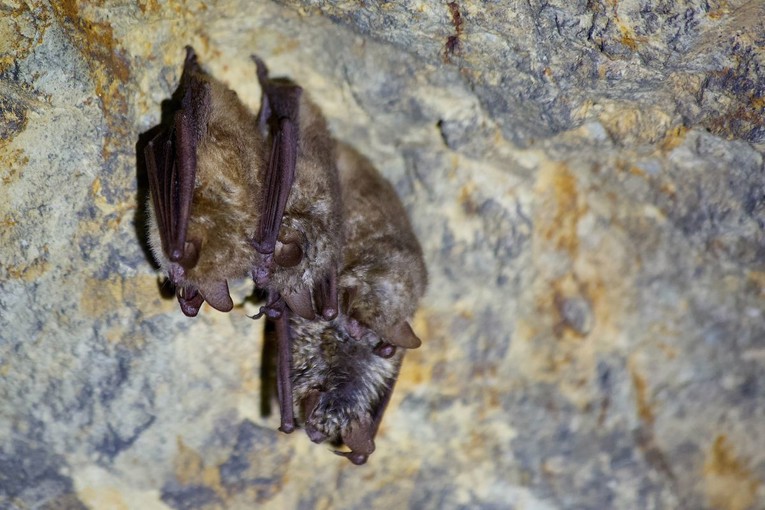
Scientists working near the Congo River and across the globe have collected DNA and tissue samples from bats to study their evolution and remarkable resistance to viruses.
An international team of over 130 researchers analyzed fossils and genomes, discovering that bats likely originated in Europe, not Africa, Asia, or North America as previously believed. Their evolutionary journey began around 65 million years ago, spreading from Europe to other continents.
The study, published in Nature, also revealed that echolocation and flight developed early in bat evolution. Researchers are now using this genetic information to understand how bats tolerate viruses, like Ebola, Nipah, and Marburg, without getting sick. Early ancestors of bats showed adaptations in immune genes that likely developed alongside their evolution, giving them exceptional resistance to disease. Bats are unique among mammals for their longevity and low rates of cancer and aging.
Scientists believe studying the genes responsible for these traits could fundamentally change research into human aging, immunity, and disease resistance. They hope to use the information to develop both treatments for zoonotic diseases and new approaches to cancer therapy, while also learning how to better protect bat populations, which are threatened by climate change, habitat loss, and a fungal disease called white-nose syndrome.


