Bus electrification requires long-term governance planning
Summary and headline written by AI from the source article. How we work
Transit authorities in Britain and Ireland are finding that electrifying bus fleets demands more than just new vehicles. It requires long-term planning for infrastructure and contracts.
For forty years, these countries have experimented with different approaches to bus network control, ranging from fully public to privately operated systems. Researchers analyzed this variety and found that competition can lower costs, but it doesn’t necessarily need to control the entire network.
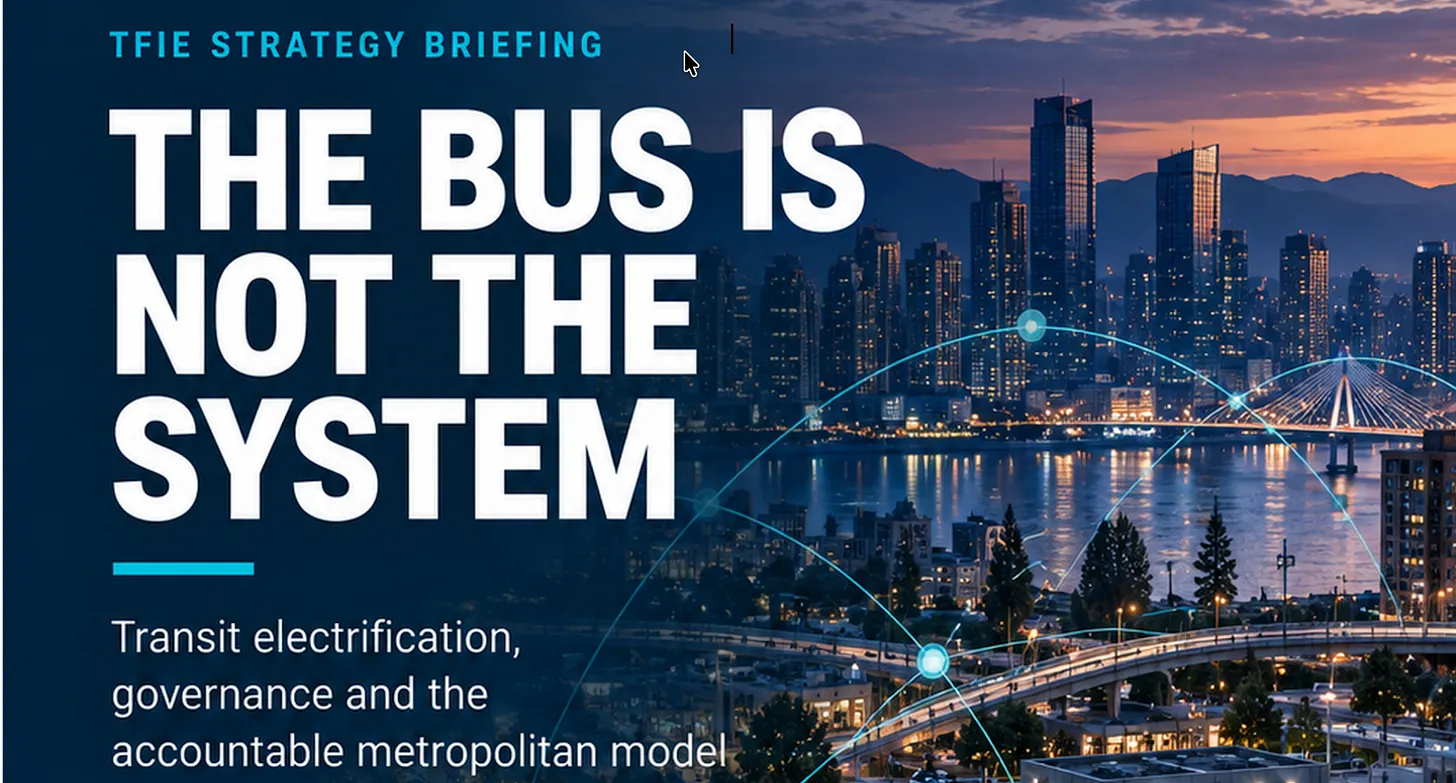
The key challenge with electrification is that investments like electrical connections to bus depots are long-lasting and can’t be easily moved if operating contracts change. Passengers expect complete journeys, which means smooth transfers and consistent service, and this requires coordination between operators. Authorities can’t simply focus on efficiency at the route level, as one company’s efficient decision might disrupt connections with another’s service. The report, The Bus Is Not the System.
Metropolitan Transit Governance Strategy Report, suggests that public ownership isn’t the only solution. Instead, authorities should consider long-term access rights, leases, and interoperability requirements to ensure assets remain usable even when contracts change. Agencies currently electrifying fleets should prioritize identifying decisions that will be costly to reverse, such as securing depot leases with high-capacity electrical connections. Ultimately, successful electrification means preserving a cohesive passenger network while allowing different parties to manage their own areas of control.