Film documents family’s flight from Poland amidst mother’s dementia
Summary and headline written by AI from the source article. How we work
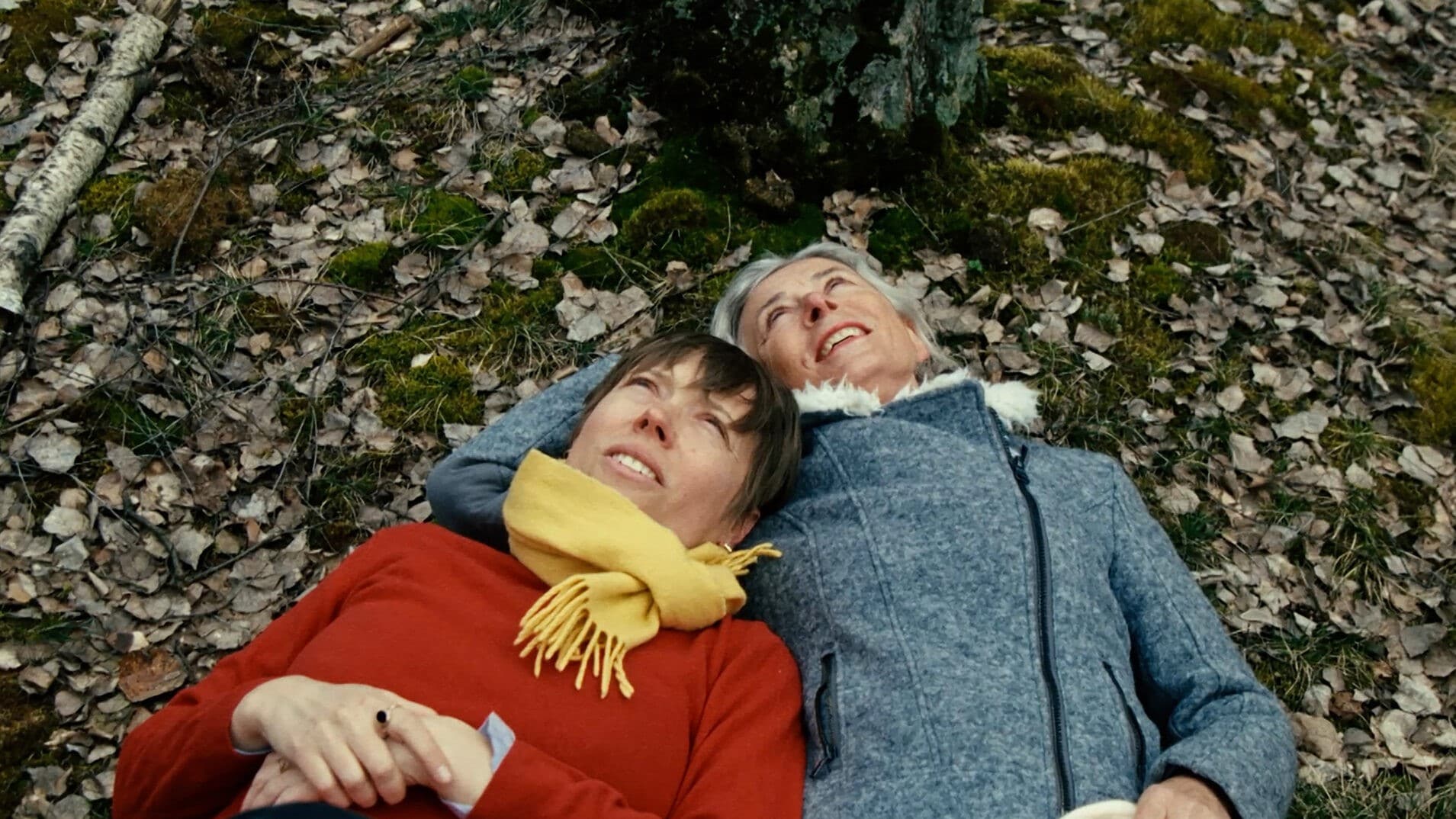
Jola Wieczorek, a filmmaker from Austria, created “The Still Unknown Days” to document her family’s escape from Poland in the 1980s, spurred by her mother’s progressing dementia.
Wieczorek wanted to capture her mother’s memories before they faded, seeking to understand their journey and preserve their story for future generations. The film explores not only the experience of leaving communist Poland but also the intimate relationship between mother and daughter.
The family initially found refuge in the Traiskirchen refugee camp before settling in Bad Goisern, Austria. Wieczorek remembers a stark contrast between life in Poland and Austria, noting the abundance of goods and the beauty of the Austrian landscape as a “culture shock.” She recreated childhood memories within the film, visualizing scenes from her early experiences in the refugee camp and during the journey.
Wieczorek also researched historical footage, finding Austrian news reports about border crossings helpful and discovering ironic portrayals of the Polish economic situation in Polish newsreels. The film acknowledges that while Poland began to change with the Velvet Revolution of 1989 and the rise of Solidarity, the 1990s brought new challenges like corruption. Ultimately, Wieczorek realized that memories shape identity, and that even as her mother’s memories faded, her emotions remained accessible, allowing them to continue connecting.