The serial novel: from Dumas to modern Austria
Summary and headline written by AI from the source article. How we work
In 1848, “Die Presse” newspaper in Austria began publishing serialized novels, a practice originating with French publishers Émile de Girardin and Armand Dutacq who founded “La Presse” and “Le Siècle” to attract a wider readership.
These publishers introduced inexpensive newspapers funded by advertising, and filled them with fiction placed on the lower portion of the page. Honoré de Balzac and Charles Dickens were among the first authors to publish novels in this format.
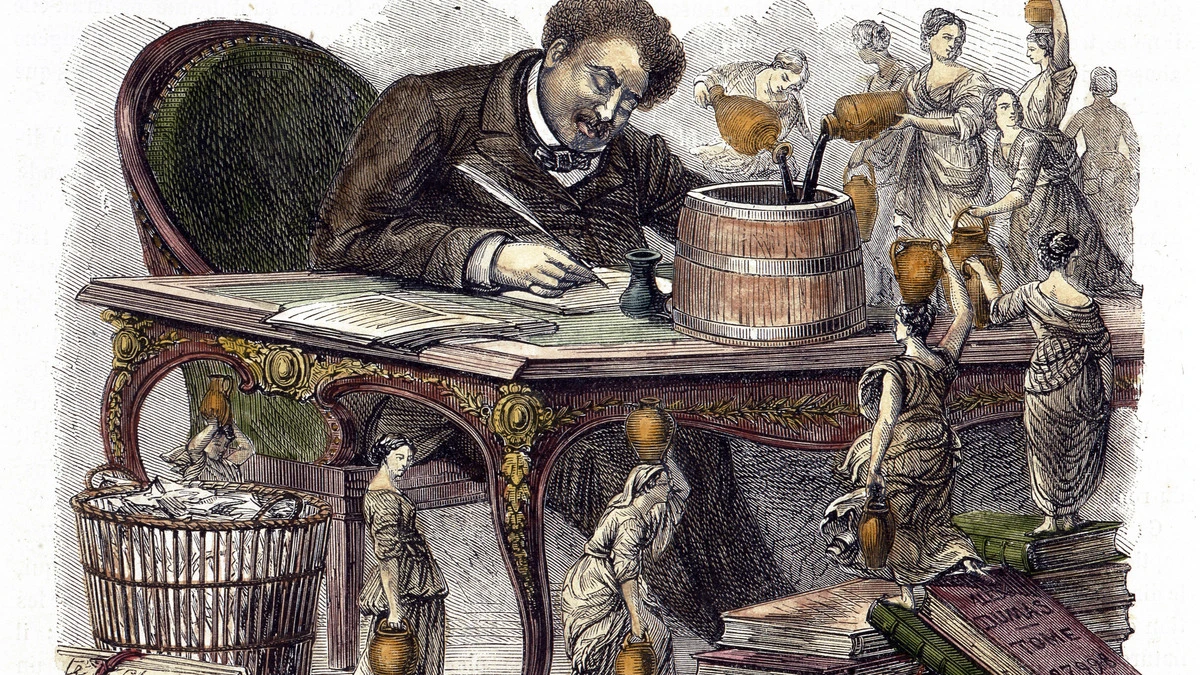
Alexandre Dumas employed a unique strategy, paying his writers by the line to maximize output and minimize costs, prompting publishers to adjust contracts. The practice spread to Russia by the 1860s, and in Britain, Charles Dickens revolutionized the book market by releasing novels in affordable installments. Readers eagerly awaited each new installment, with one instance seeing thousands gather at a New York harbor to receive the final chapters of a novel.
Thomas Hardy later popularized the cliffhanger to encourage continued readership. Recently, “Die Presse” continued this tradition by publishing the latest, unfinished novel by Austrian author Monika Helfer, “Kreuzers Kinder,” in 60 parts. Helfer completed the work before her unexpected death in August, and her novel joins a series of serialized works previously published by the newspaper, including those by Teresa Präauer, Radek Knapp, and Zoë Jenny.