Ukraine’s villages adapt as women migrate for work
Summary and headline written by AI from the source article. How we work
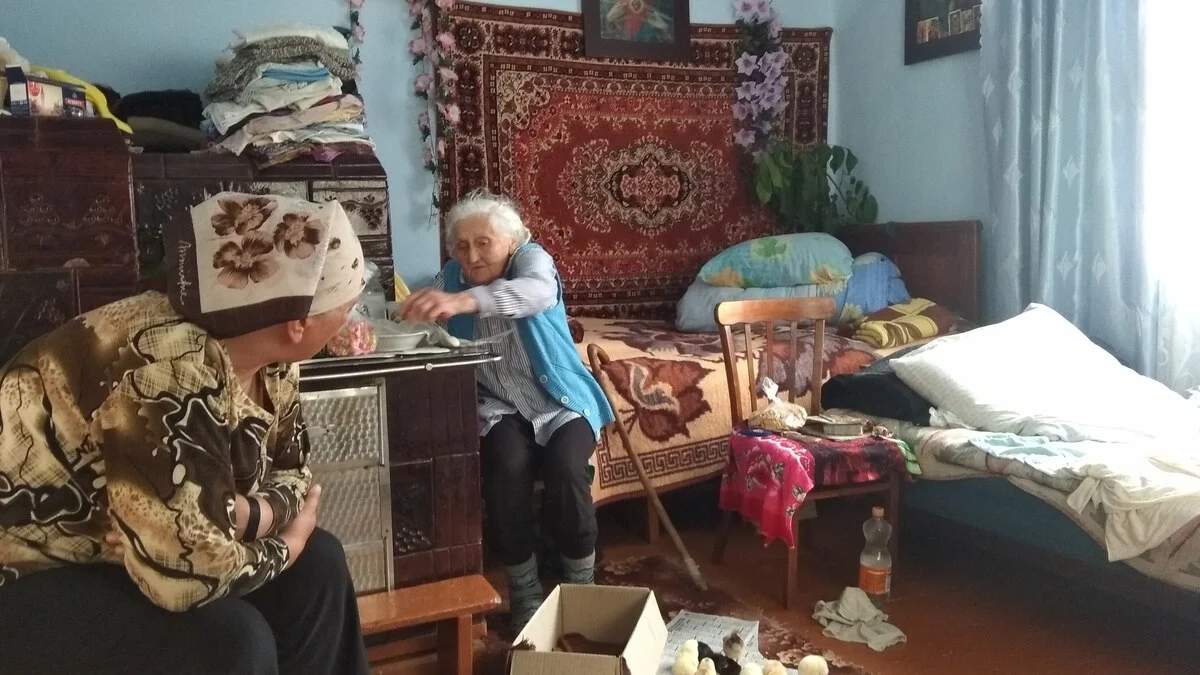
Ilona Grabmaier, a social anthropologist from the University of Vienna, spent 14 months living in a village in western Ukraine’s Ivano-Frankivsk Oblast, studying how families cope with women migrating for work.
Grabmaier observed daily life and interviewed family members, neighbors, and local officials to understand how caregiving responsibilities shifted in the absence of these women. Her research, published in the book Daheimgeblieben (Staying at Home), reveals a complex system of mutual support within the community.
Grabmaier found that traditional stereotypes about gender roles and family dynamics did not always hold true. Men in the village routinely performed housework, childcare, and cared for elderly relatives. Grandparents and grandchildren also shared caregiving duties, with younger generations actively supporting their elders with tasks like farming and shopping. This demonstrates that people often act differently than they describe their beliefs about family and care.
The study began before the current war, but Grabmaier notes that the situation has worsened since the Russian invasion. The village now has a growing population of elderly people who require care, while fewer residents remain to provide it. In a recent phone call, a former host family member told Grabmaier the village is now almost exclusively inhabited by older people, highlighting the increasing strain on the community’s support systems.