Singapore’s history rewritten by former activist
Summary and headline written by AI from the source article. How we work
Dr Poh Soo Kai, a former student activist and co-founder of Singapore’s People’s Action Party (PAP), challenges the official “Singapore Story” with his account of the country’s anti-colonial movement.
Poh details how the ruling elite presented their interests as national ones, obscuring the history of working-class struggles. He explains that post-World War II Singaporeans admired anti-colonial leaders from Indonesia, India, and China, linking their fight to broader movements across Southeast Asia.
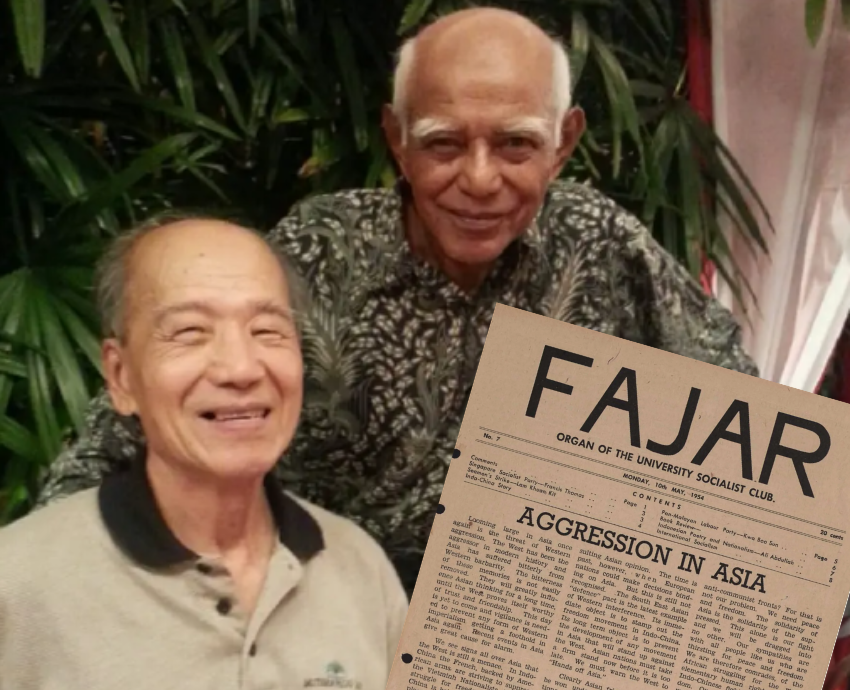
Poh recounts the 1954 Fajar Trial, where he and other student activists published an anti-colonial newspaper. He claims that Queen’s Counsel DN Pritt intentionally sidelined Lee Kuan Yew (LKY) to work directly with the students, formulating an anti-colonial strategy. This moment, Poh argues, revealed a conflict between the radical student movement and LKY’s focus on legal procedures, a conflict later erased from official accounts. As the PAP gained power, internal divisions arose between its left-wing base and its moderate leaders.
Poh describes how the party suppressed working-class organization through violent crackdowns on trade unions and students, positioning LKY as a pragmatic alternative to both British imperial interests and communism. Following a mass defection to the Barisan Sosialis (Socialist Front) in 1961, the government launched Operation Coldstore in 1963, arresting and detaining political opponents under the guise of countering a communist threat.
Declassified British documents, uncovered by PJ Thum, support Poh’s claim that those arrested were legitimate political figures advocating for peaceful change.