Heavy metal pollution may protect endangered frogs from deadly fungus
Headline and summary by local AI
Researchers at the University of Canberra in Australia are investigating how metal pollution from an abandoned mine helped an endangered frog species survive a deadly fungal disease.
The green and golden bell frogs have faced a 90 per cent population decline since the 1970s due to chytrid fungus, a pathogen that attacks amphibian skin and disrupts vital bodily functions. Scientists discovered that these frogs persisted in the Carwoola wetlands for 50 years while disappearing from other areas.
The team suspects that copper and zinc from the shuttered Lake George Mine at Captains Flat flowed into the Molonglo River and created a protective environment. Laboratory tests by the researchers showed that very low levels of these heavy metals can act like a fungicide. Milad Esmaeilbeigi found that concentrations of copper and zinc that frogs can tolerate also inhibit the growth of the fungus.
Simon Clulow noted that while the researchers do not want to pollute new areas, the existing contamination may have provided a unique refuge for the species. The University of Canberra team released 38 microchipped frogs into the Carwoola wetlands to bolster the population. Researchers will monitor the frogs and swab them to check for infections.
They hope the combination of the heavy metal presence and other mitigation strategies, such as salted ponds and frog saunas, will allow the species to recover in the NSW Southern Tablelands.
Selected and summarized by local AI How we work
Recovery: Ecosystems recovering, species returning, nature thriving or newly found, and protection already in force.
More in Recovery

Bhutan wins Earthshot Prize for forest restoration and conservation
conexaoplaneta.com.br · 17 Nov 2026
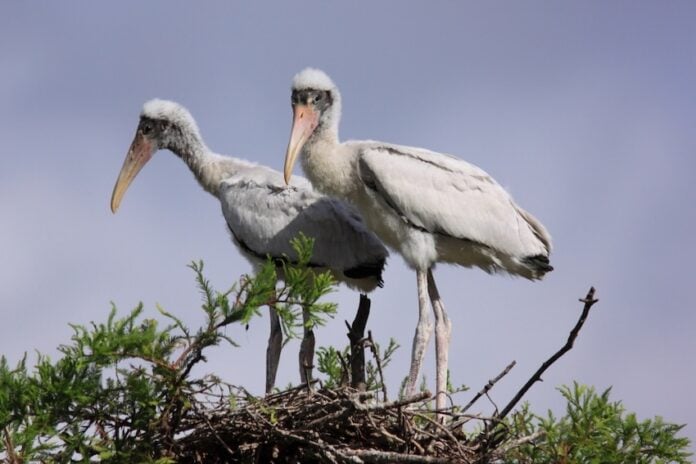
Wood storks appear in Mexico wetlands following habitat restoration
mexiconewsdaily.com · 16 Nov 2026

China doubled mangrove cover and increased bird biodiversity since 1998
news.mongabay.com · 23 Nov 2026