How we think extends beyond the brain
Summary and headline written by AI from the source article. How we work
Annie Murphy Paul investigates how people use their bodies, environments, and each other’s minds as part of the thinking process, challenging the idea that thought happens solely within the brain.
For centuries, neuroscience has focused on locating mental processes within the brain, sometimes oversimplifying complex experiences. Paul’s research, drawing on scientific studies and the work of artists and scientists, reveals that people actively incorporate external resources into their thinking.
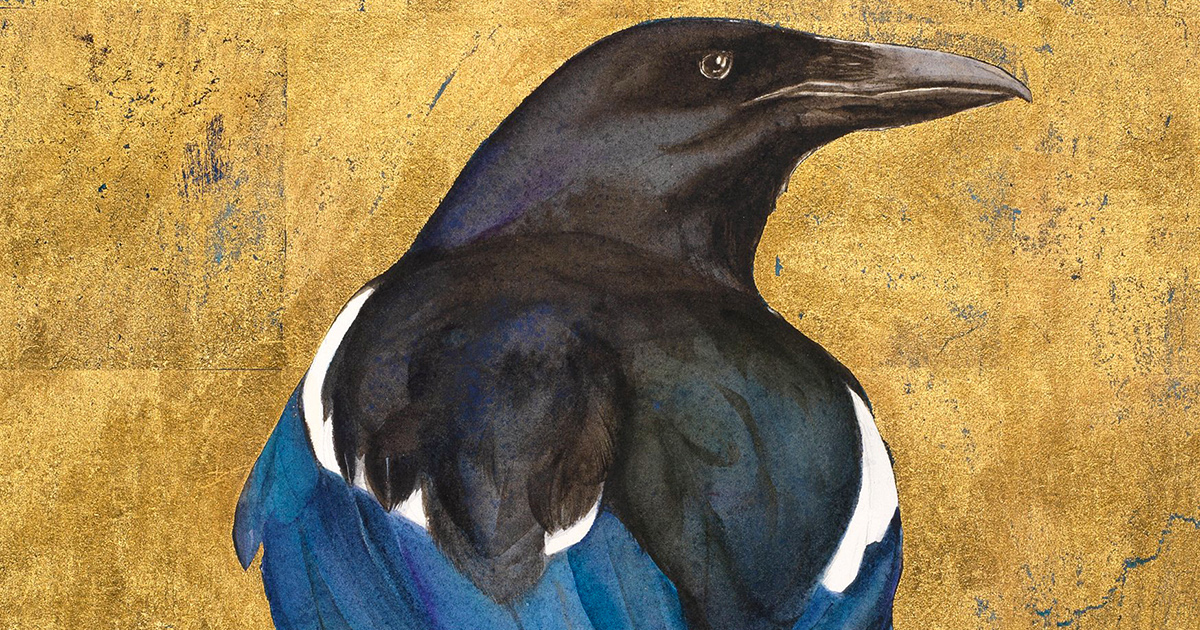
This “extended mind” relies on gestures acquired in infancy, the restorative power of nature, and engagement with the physical world. Paul compares the mind to a magpie, a bird known for building nests from found materials, suggesting that intelligence isn't fixed but depends on access to these external resources. A key component of this extended cognition is interoception, awareness of internal bodily sensations, which provides subconscious knowledge and guides the brain through subtle physical cues.
Paul also explores embodied cognition, situated cognition, and distributed cognition, concepts that reinforce the idea of a connected and interwoven consciousness, echoing the sentiment that all minds are ultimately one.