Marie Curie became the first woman to win a Nobel Prize
Headline and summary by local AI
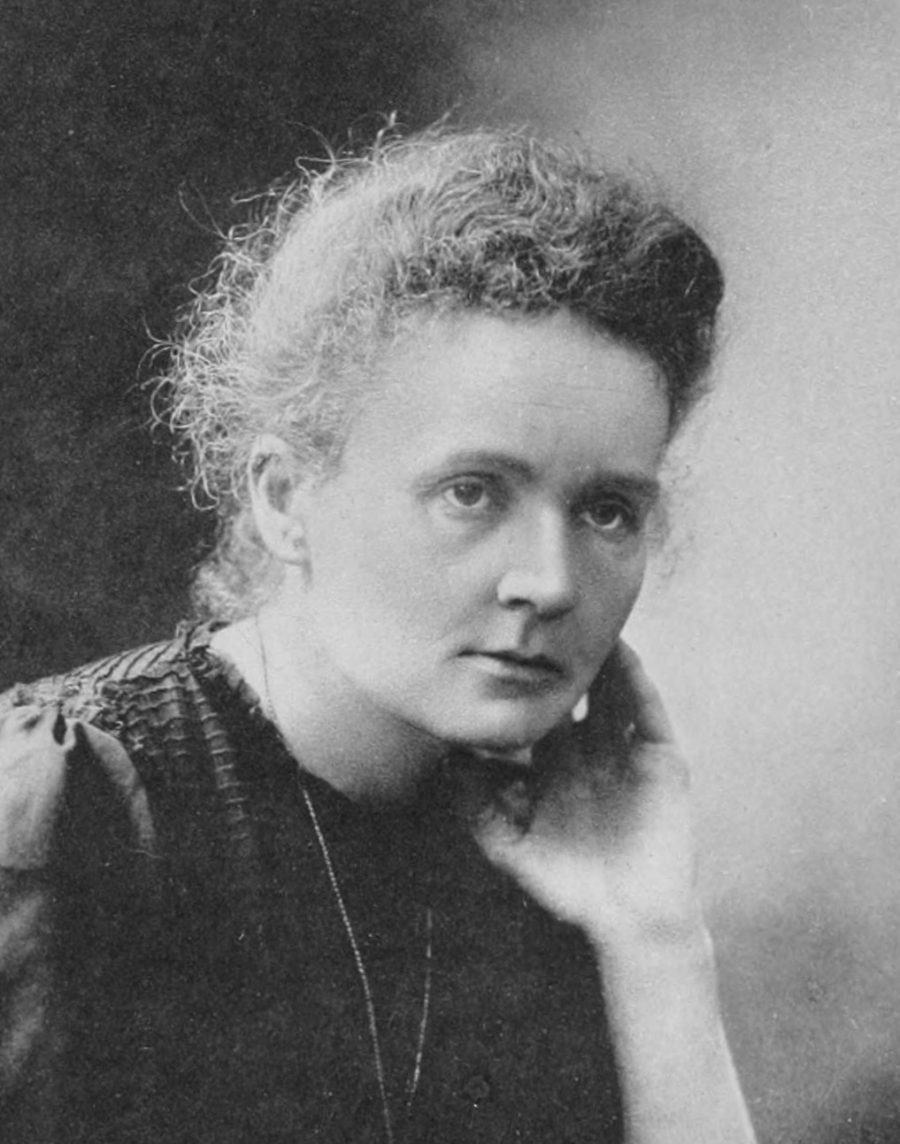
Marie Curie became the first woman to win a Nobel Prize and the first person to win the award twice.
Born in Poland in 1867, Curie faced systemic exclusion from mainstream education because universities in her home country refused to admit women. She studied science in secret at a clandestine institution known as the Floating University before moving to France to pursue her doctorate at the Sorbonne.
In 1903, Curie and her husband Pierre shared the Nobel Prize in Physics with Antoine Henri Becquerel for their work on radioactivity. She won a second Nobel Prize in Chemistry alone in 1911 for discovering the elements radium and polonium. Despite these achievements, Curie faced persistent discrimination from male peers and the press.
She was initially excluded from the Nobel Prize in Physics until Pierre protested, and she was denied membership in the French Academy of Sciences until 51 years after her death. Curie overcame social hostility and xenophobia to become the first female professor at the University of Paris after Pierre died in an accident. She founded the Curie Laboratory in the Radium Institute in 1914.
While she paved the way for future generations of female scientists, the article notes that gender parity in the sciences remains an ongoing challenge. At the time of the report, only a small number of women had won Nobel Prizes in physics and chemistry compared to the total number of winners.
Selected and summarized by local AI How we work