Leo Tolstoy promoted vegetarianism and humanitarianism in the late 19th century
Headline and summary by local AI
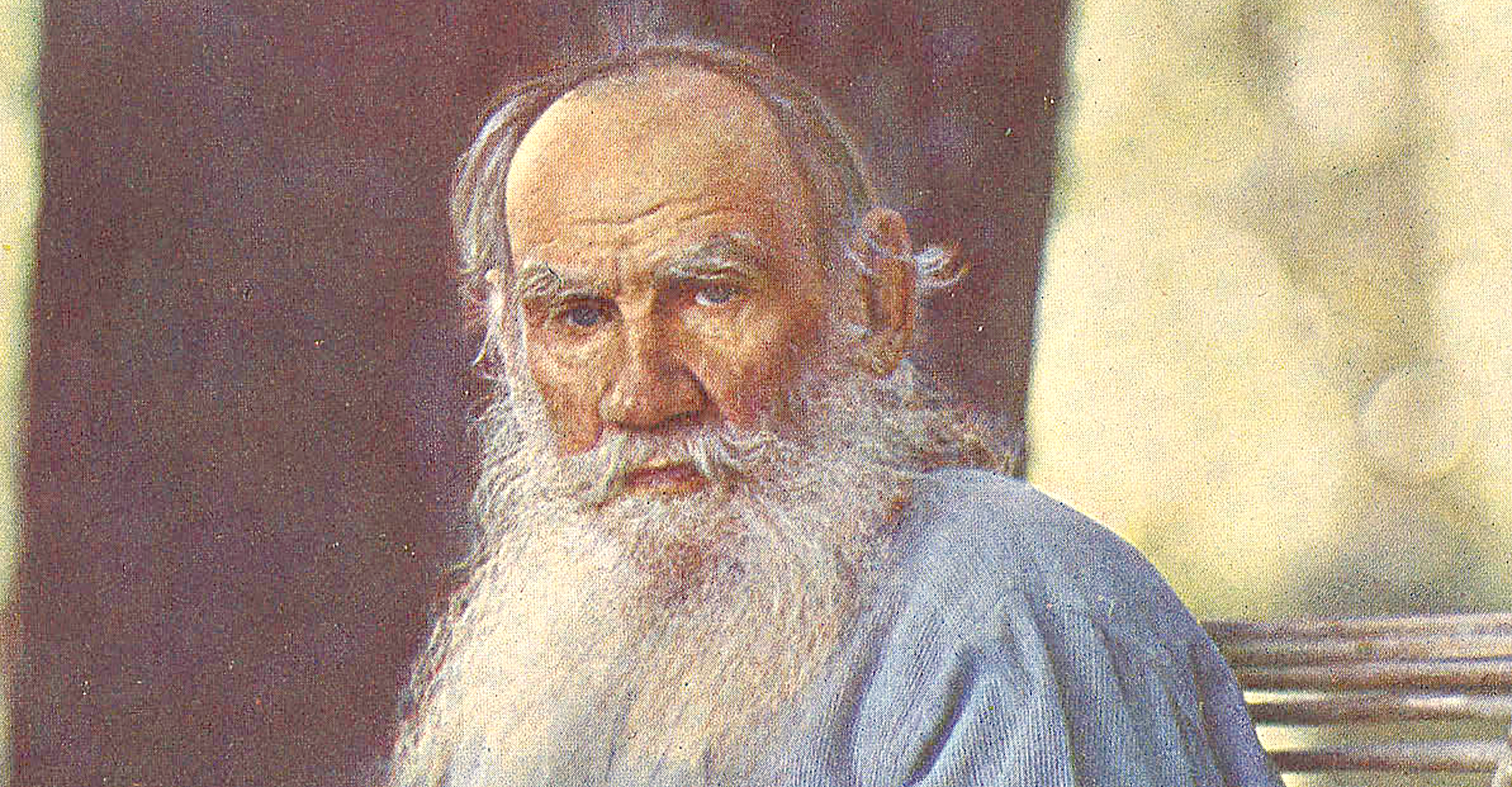
Russian author Leo Tolstoy became an outspoken vegetarian at age 50 after meeting William Frey in 1885.
Tolstoy rejected his aristocratic lifestyle and cultural dietary habits to pursue an ascetic life based on Christian anarchism. He argued that killing and eating animals was a moral horror similar to war and serfdom, which he believed society had become too accustomed to noticing. Tolstoy published philosophical and theological works to advocate for a life of non-violence and harmony with nature.
His followers, including his daughters and wife Sophia, adopted his dietary practices and even published a book of vegetarian recipes in 1874. While he shared common ground with the international vegetarian movements of the time, he distinguished his beliefs by linking vegetarianism to a broader humanitarian rejection of all forms of coercion and violence. The author’s influence reached global audiences, including a young Mahatma Gandhi.
Gandhi engaged in a correspondence with Tolstoy and later established Tolstoy Farm near Johannesburg in 1910. Unlike some contemporary animal rights activists, Tolstoy refused to support legislation to punish animal cruelty because he believed that any form of punishment would perpetuate the cycle of violence.
Selected and summarized by local AI How we work