Jugend magazine documents Germany’s shift to Nazi control
Summary and headline written by AI from the source article. How we work
In Germany, the arts journal Jugend transformed from a showcase for avant-garde artists to a tool of Nazi propaganda between 1933 and 1940.
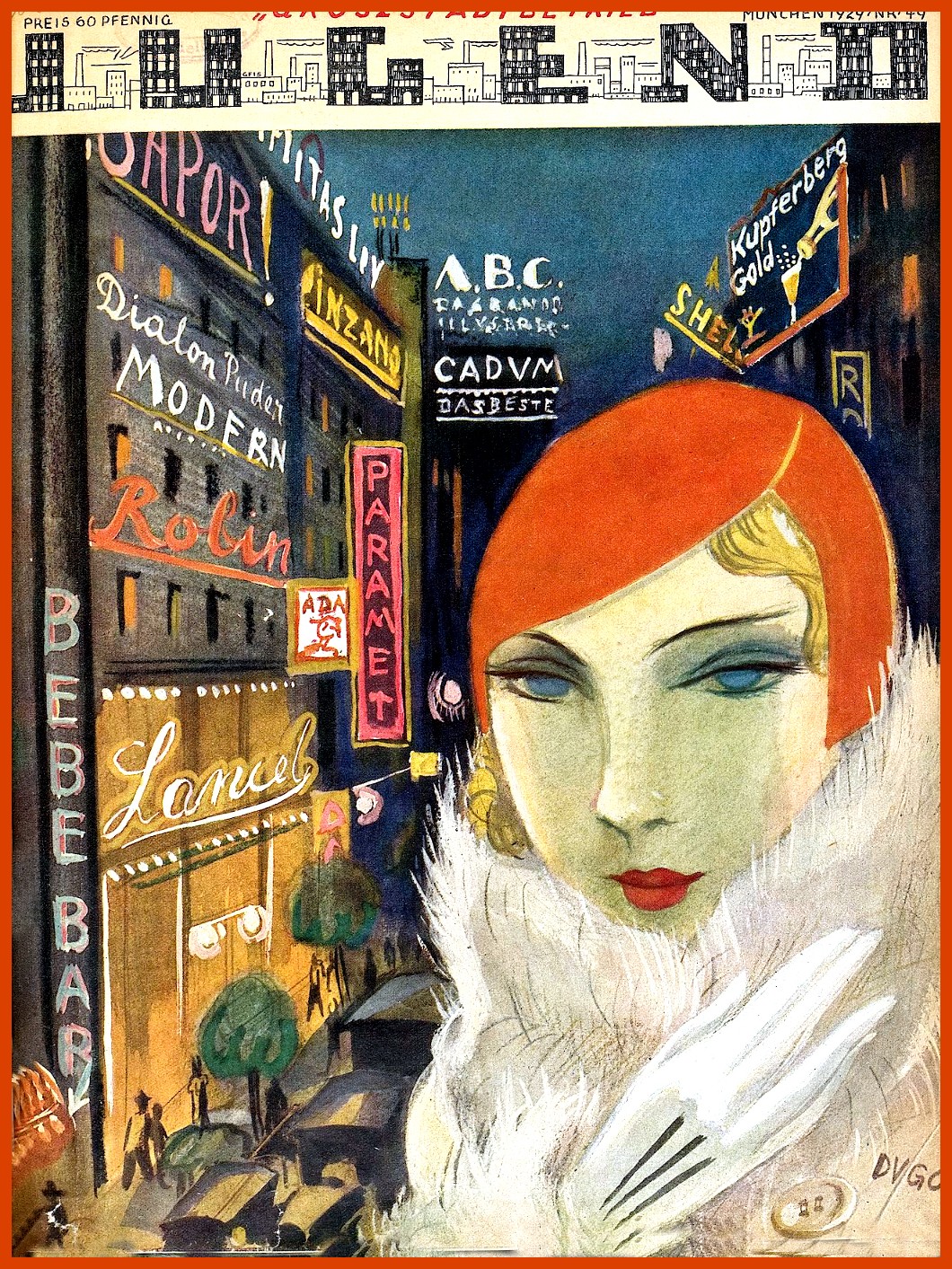
Founded in 1896 by Georg Hirth, Jugend initially promoted new cultural ideas and became so influential that the Art Nouveau movement in Germany was known as Jugendstil. The magazine, based in Munich and later spreading to cities like Berlin and Weimar, featured artists who challenged established styles.
However, after 1933, the Nazi regime imposed a policy of “coordination” on German culture, forcing Jugend to abandon its original artistic values. The magazine’s covers and content became more conservative and neoclassical, reflecting the regime’s ideology. Many of the artists previously published in Jugend were either forced into exile or disappeared entirely. Today, the University of Heidelberg’s digital archive makes hundreds of scanned issues of Jugend available to the public.
These issues document both the magazine’s early embrace of artistic freedom and its later transformation under Nazi control, providing a visual record of a pivotal period in German history.