Else Marie Pade: from Danish Resistance fighter to electronic music pioneer
Summary and headline written by AI from the source article. How we work
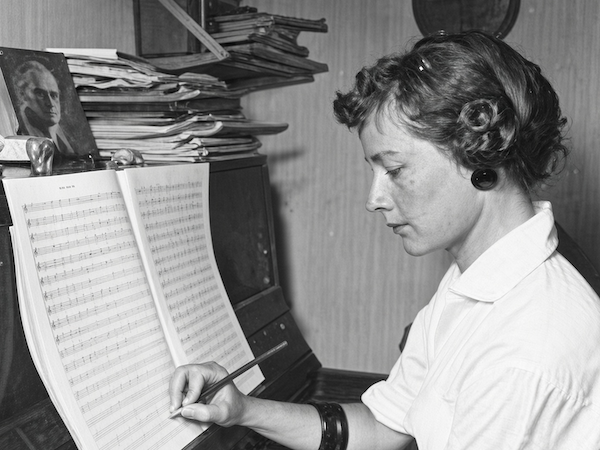
Else Marie Pade began her life as a sickly child in Denmark and later joined the Danish Resistance during World War II, distributing newspapers and learning to use explosives.
In 1944, the Gestapo arrested Pade, and while imprisoned, she vowed to dedicate her life to music if she survived. While incarcerated, she composed music by scratching staves onto the prison wall and later received paper and utensils from the Commandant to continue her work.
After the war, Pade studied at the Royal Danish Academy of Music, initially intending to become a pianist. However, a 1952 radio broadcast of Pierre Schaeffer’s musique concrète inspired her to pursue electronic music. Pade’s childhood experiences listening to sounds while bedridden informed her approach to composition, and she learned from pioneers like Karlheinz Stockhausen and György Ligeti. Pade created Denmark’s first work of electronic musique concrète, A Day at Dyrehavsbakken, and continued composing throughout her life.
Though a departure from the popular songs she wrote to support fellow prisoners, her work explored the musical potential of everyday sounds, dripping sponges, whistling kettles, and animal noises, resulting in unique and enduring soundscapes.