Frank Lloyd Wright’s hidden life as a Japanese art collector
Summary and headline written by AI from the source article. How we work
Frank Lloyd Wright supplemented his income by collecting and dealing Japanese woodblock prints, known as ukiyo-e, throughout his career.
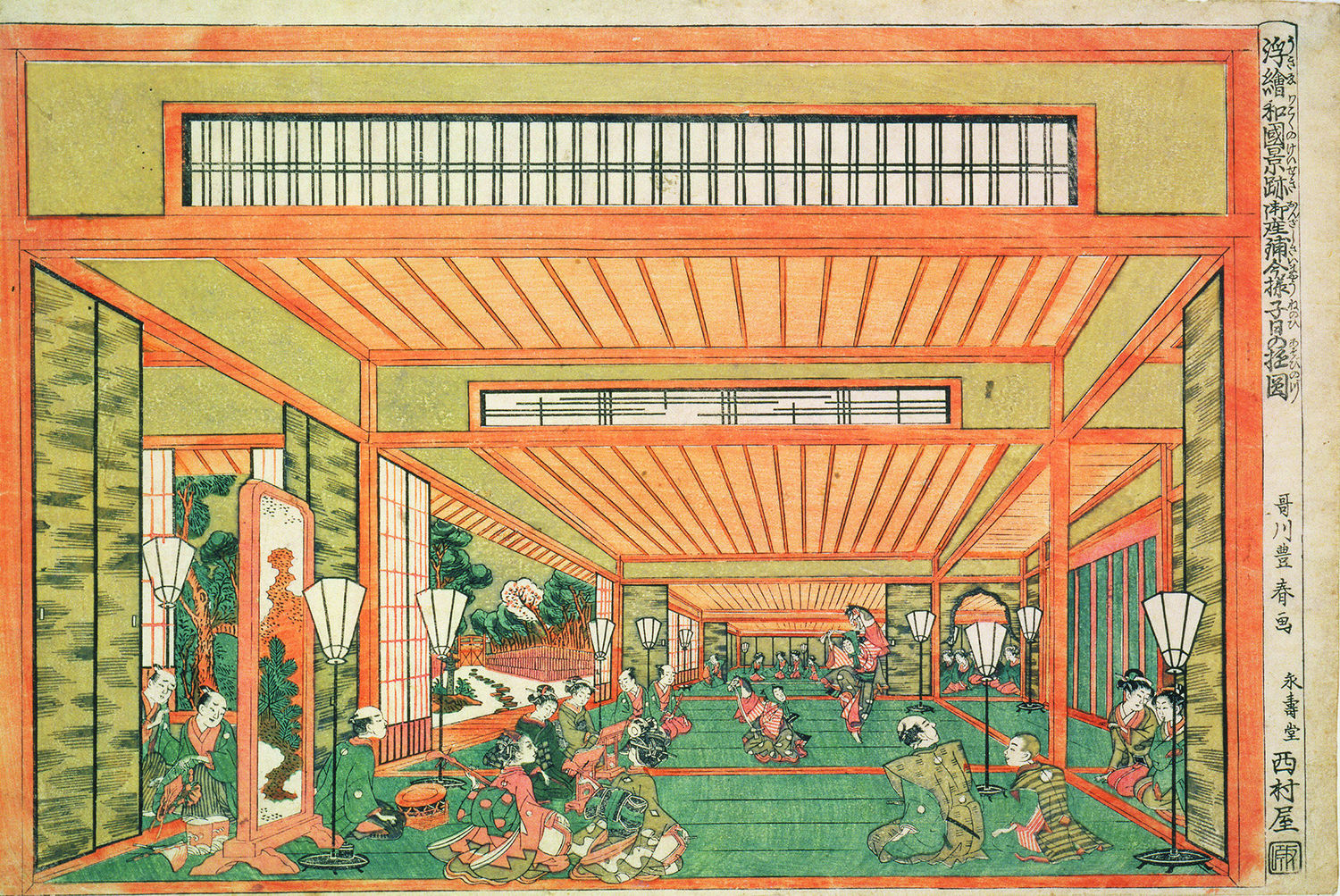
Like the painter Vincent van Gogh, Wright passionately collected Japanese prints, amassing a collection of around 6,000 by the end of his life. He began his interest as a teenager while working for architect Joseph Silsbee, whose cousin was a leading expert on Japanese art.
Wright traveled to Japan twice, in 1906 and 1913, specifically to acquire more prints, and even curated an exhibition of his Hiroshige collection at the Art Institute of Chicago in 1906. During the years he spent building the Imperial Hotel in Tokyo, from 1917 to 1922, Wright actively sought out prints, considering it a recreation and a business opportunity.
Wright published a book on ukiyo-e in 1912, explaining how the art form’s emphasis on order, structure, and simplicity profoundly changed his perspective on nature and ultimately influenced his architectural designs. He believed that eliminating unnecessary details and focusing on essential forms was key to both art and building, and credited Japanese prints with helping him see nature in a new way.