Tarot’s history reflects Renaissance Italy and Modern concerns
Summary and headline written by AI from the source article. How we work
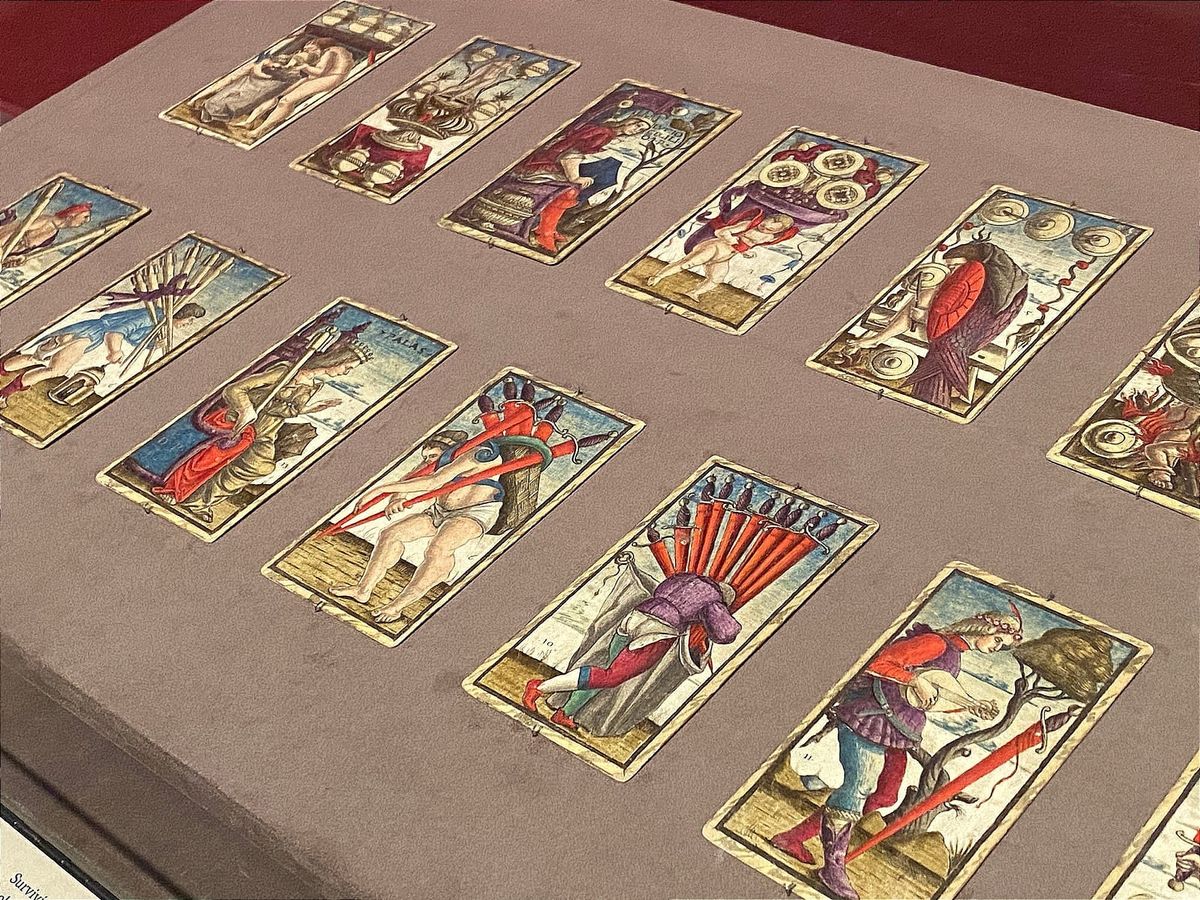
The Morgan Library in New York City displayed tarot cards dating to the 15th century, exploring the game’s evolution into a tool for divination and artistic inspiration.
The exhibition, “Tarot! Renaissance Symbols, Modern Visions,” examines early decks like the Visconti-Sforza tarot, created around 1450 for a powerful Milanese family. Historians note the cards’ original purpose as a game for the aristocracy, with the suit of pentacles representing wealth during Italy’s Renaissance.
The show connects the cards’ enduring popularity to their adaptability. Tarot gained prominence during periods of social change, allowing people to reinterpret the images to address contemporary issues. Unlike older divination methods using coffee grounds or turtle shells, tarot is a relatively recent practice, but it shares a cultural logic with those traditions. The exhibition divides into sections highlighting both Renaissance symbolism and modern artistic interpretations of the cards, demonstrating how the structure of tarot enables continued relevance across centuries.