Alison Knowles’s art explored the power of collaboration
Summary and headline written by AI from the source article. How we work
Curators at the Grey Art Museum in New York City are exhibiting the retrospective work of late Fluxus artist Alison Knowles, revealing her influence on American art.
Knowles, who worked with performance, sculpture, and printmaking, approached art as an author, using bookmaking techniques, binding, sequencing, and narrative, throughout her career. Knowles helped introduce the ideas of collaboration and impermanence central to Fluxus to the American art world in the 1960s.
Her early works, like the 1960 screenprint “Room” created with George Brecht, and her 1962 tour of Europe with fellow artists, demonstrate this focus on group action over individual artistic expression. She often used everyday materials, beans, shoes, and food, in her performances and installations, elevating mundane activities to artistic experiences. The retrospective includes documentation of Knowles’s well-known work “Proposition #2: Make a Salad,” where she prepared food for an audience, emphasizing the shared experience of creation and consumption.
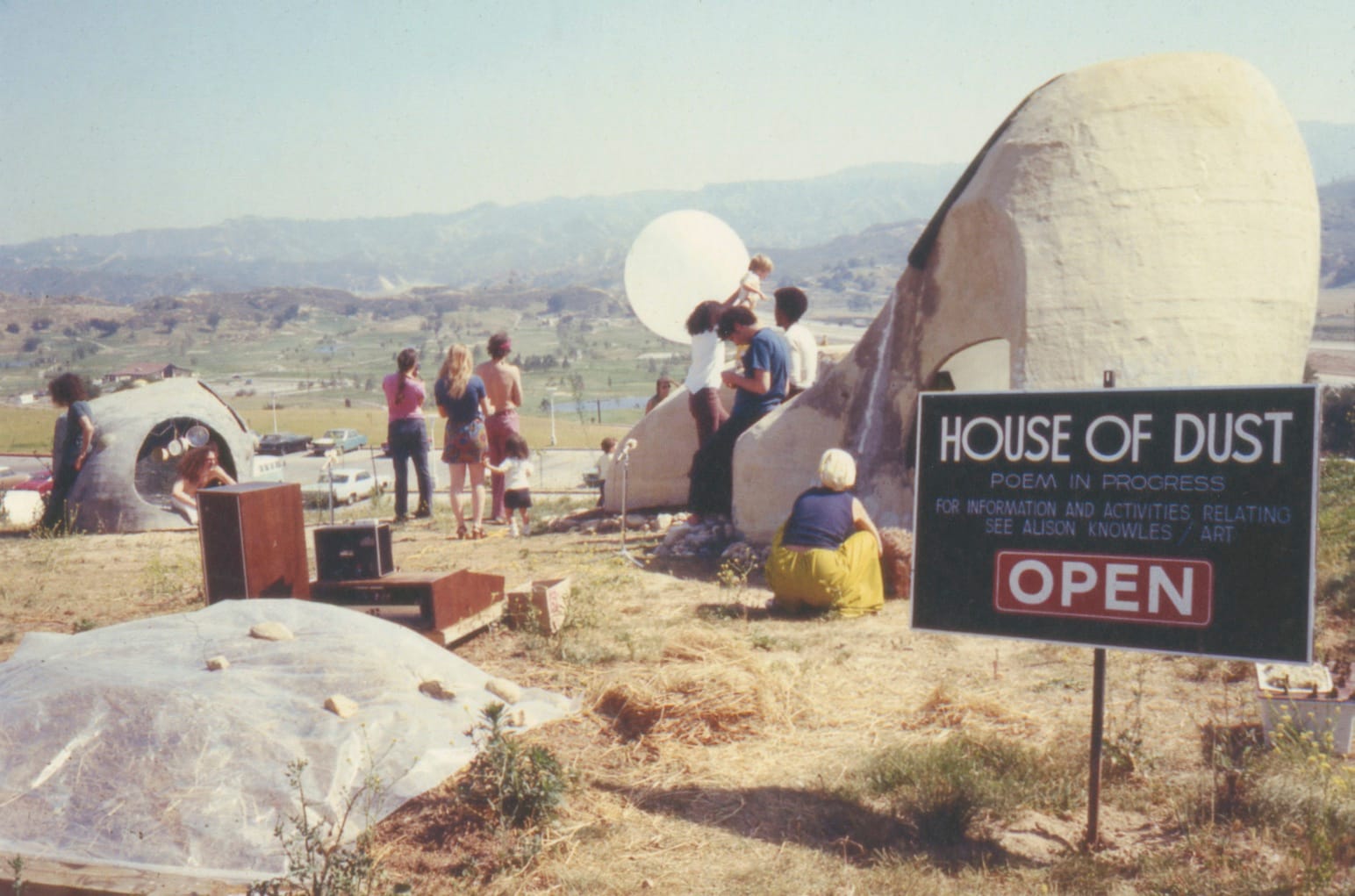
Later in her career, Knowles also experimented with computer technology, creating randomized poems and disseminating them via computer printouts and even helicopter drops. Her final work, “Being with Paper” (2022), depicts a footprint in dust, suggesting a lasting impression of her artistic presence.