Dutch designers turn deselected archaeological finds into art pieces
Headline and summary by local AI
Dutch designer Marisa Klaster and archaeologist René Isarin launched the Ex Situ project to repurpose archaeological materials that were rejected for museum archives.
The project uses items like 40,000-year-old mammoth bone, 14th-century ship wood, and fragments from a Roman road. Under Dutch law, these deselected finds, which are considered to have limited research value or poor preservation, must be destroyed if they are not used for education or reference collections.
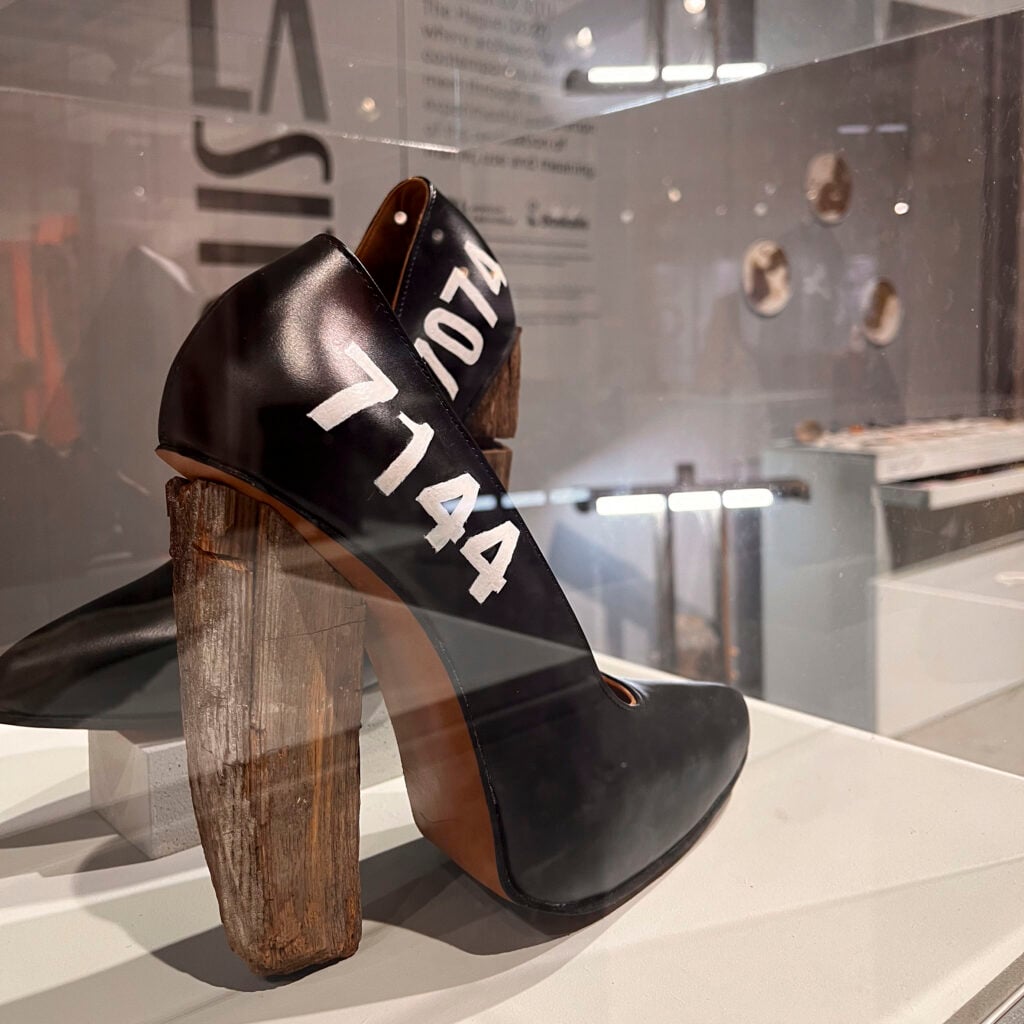
Klaster and Isarin decided to give these materials to nine Dutch craftspeople to create new designs instead of discarding them. Judith Sanders used foundation posts from a Roman Limes border road built in 125AD to create high-heeled shoes. Daan Simons fashioned 600-year-old wood from a wrecked ship into Remembrance Pots meant to hold keepsakes. Other participants in the project include Shahar Livne, who works with mammoth bone, and Natasja van der Meer, who uses her materials for glazing research.
Isarin and Klaster aim to spark a debate within the archaeological community about the ethics of using these materials. While the current project is for an exhibition, Isarin notes that the situation would become more controversial if the items were sold for commercial profit. The exhibition, titled Ex Situ: Matter in Translation, will run at See Lab in The Hague from 5 February to 7 March 2027.
Selected and summarized by local AI How we work
Discovery: Archaeology, new knowledge of art, culture and history, forgotten history uncovered, something lost restored.