Cross cultural sculptures reveal different artistic interpretations of horses
Headline and summary by local AI
Barakat Gallery in London showcases a collection of sculptures and decorative objects that illustrate how various civilizations have depicted the horse as a symbol of power, movement, and social status.
The Barakat Collection brings together works from diverse historical traditions, including Chinese terracotta, bronze equestrian figures, and stone carvings. By placing these objects in a shared visual space, the gallery allows viewers to compare how different cultures translated the physical presence of the animal into artistic forms.
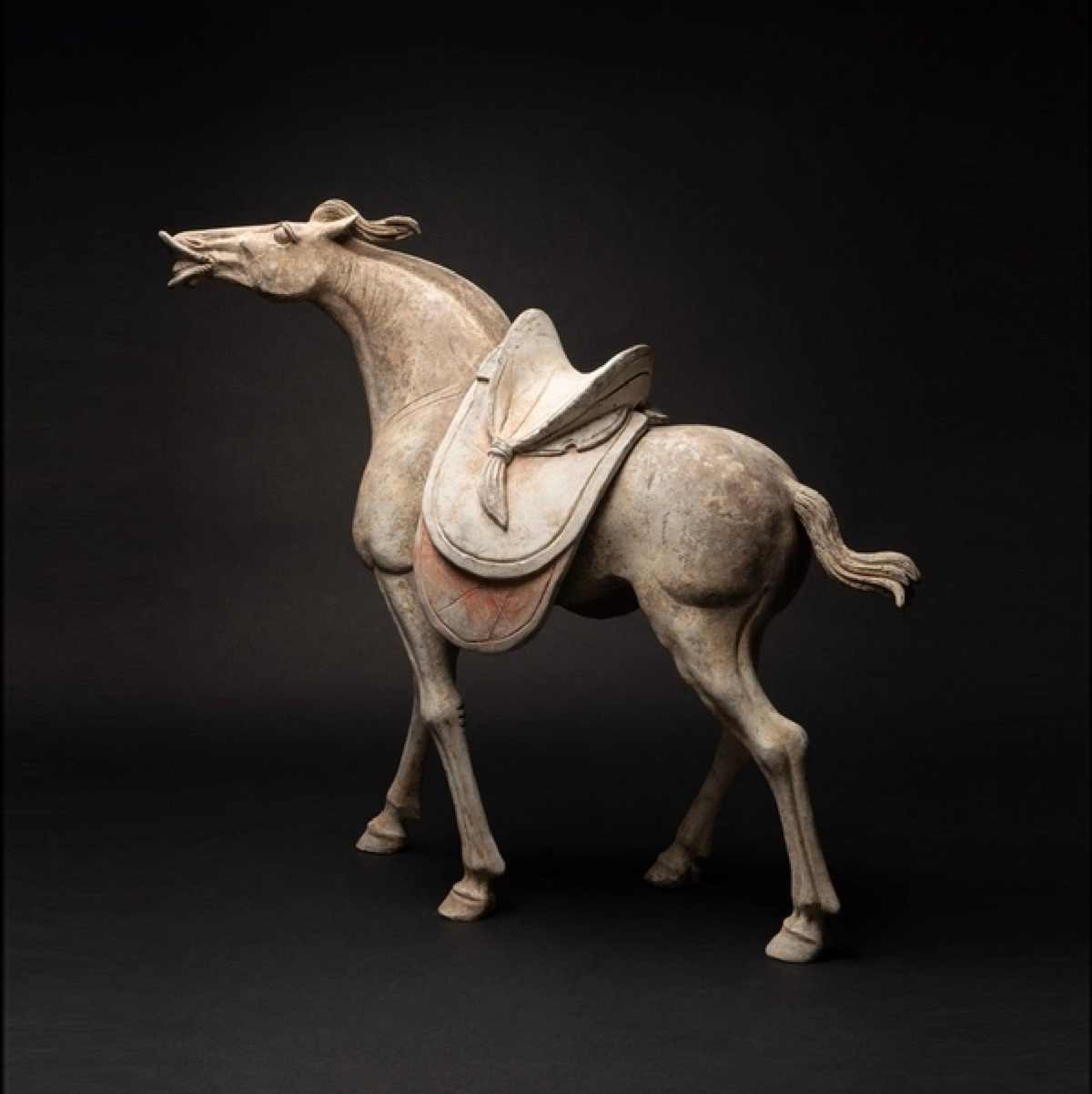
The collection includes Chinese terracotta horses from the Tang dynasty, which the gallery notes were closely associated with aristocratic life and military power. These figures often served as funerary objects to accompany the deceased into the afterlife. In contrast, the gallery presents bronze horses that use compact silhouettes and animated stances to suggest movement without focusing on detailed anatomy.
Other pieces, such as a crouching Parthian horse and a seated Qing stone sculpture, demonstrate how artists used rounded contours and compressed forms to express the animal's energy. The inclusion of riders in these sculptures shifts the narrative from a study of an animal to a reflection of human society.
Figures like the Four Cream-Glazed Sui Horses and Riders and the Eight Polychrome Figures of the Tang Processional Set use repeated forms to establish a visual rhythm that suggests ceremonial importance and social hierarchy. The gallery also features diverse interpretations, including a Sui musician, a polo player, and female riders from Hellenistic and Tang traditions. These variations show how different cultures portrayed women on horseback and how they integrated the horse into sporting and ceremonial life.
Selected and summarized by local AI How we work
Discovery: Archaeology, new knowledge of art, culture and history, forgotten history uncovered, something lost restored.