Marlow Moss receives first London show in decades
Summary and headline written by AI from the source article. How we work
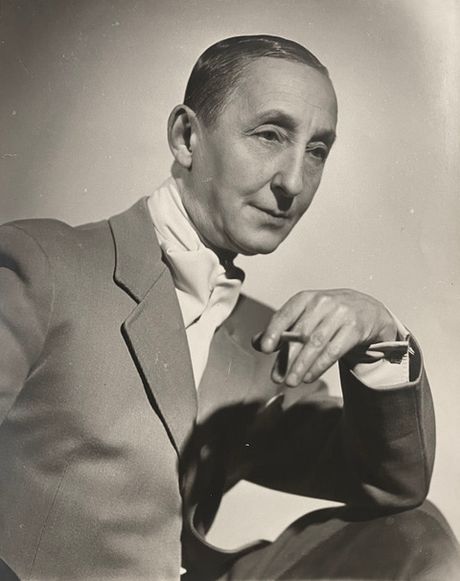
In London, the Ward Moretti gallery opened an exhibition today showcasing around 30 paintings, works on paper, and one sculpture by British artist Marlow Moss, who lived from 1889 to 1958.
Moss, a Jewish non-binary lesbian, studied at the Slade School of Fine Art and later moved to Paris, becoming involved with the Constructivist and De Stijl movements. There, she befriended Georges Vantongerloo and, through him, met Piet Mondrian.
The two artists developed a close relationship, both working within Neoplasticism, but historical accounts often focused on Mondrian’s influence over Moss. However, recent analysis suggests Moss’s ideas significantly impacted Mondrian’s work. She conceived of the “double line” technique in 1930, which Mondrian later adopted, though he initially failed to credit her. Moss and her lifelong partner, Antoinette ‘Netty’ Nijhoff, faced condescension from some contemporaries, who dismissed them based on their unconventional lives.
During World War II, Moss fled Nazi-occupied France, returning to England with limited possessions. Many of her paintings were lost during the war due to the destruction of her home, and she often destroyed work she deemed unsatisfactory. Though she received some recognition during her lifetime, with shows at the Hanover and Stedelijk Museums, her work remained less known than Mondrian’s until recently.
Museums, including the Rijksmuseum and the Centre Pompidou, have begun acquiring her pieces, and her auction prices have risen sharply, with one painting selling for £1.1 million this June.