Oldest shipwreck found off Turkey reveals Bronze Age trade
Summary and headline written by AI from the source article. How we work
Archaeologists in Turkey discovered a shipwreck near Kekova island that may be the world’s oldest, dating to around 2700-2400 BCE.
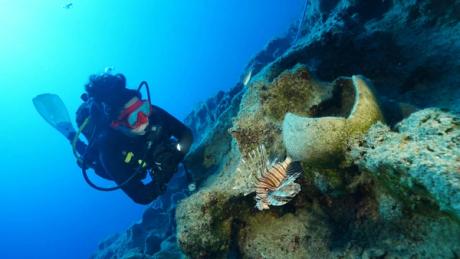
Hakan Öniz of Akdeniz University led the excavation, uncovering approximately 30 ceramic storage jars, called amphorae, on the seabed. The team initially believed the jars were from the Ottoman period, but later identified them as originating from the Jordan Valley during the Early Bronze Age.
These amphorae provide the first physical evidence of established maritime trade routes in the eastern Mediterranean during that era. Historical accounts suggested seaborne commerce existed, but this wreck confirms it with tangible remains of transported goods, possibly olive oil, wine, tree resin, or preserved food. The wooden vessel itself has deteriorated over time, likely due to wood-boring molluscs.
Karin Sowada, an Egyptologist at Macquarie University in Australia, helped confirm the jars’ Levantine origin by comparing them to similar pottery found in Egypt, Troy, and Minoan Crete. The discovery surpasses the age of a 4,200-year-old shipwreck found off the Greek island of Dokos in 1975. Researchers are now analyzing the pottery's materials and contents with X-ray technology, and they found one perforated jar with symbols potentially linked to the sailors’ spiritual beliefs.