Jordanian amber reveals ancient pollen structures from 140 million years ago
Headline and summary by local AI
Researchers discovered fossilized pollen grains in Jordanian amber that provide evidence of plant life from the Early Cretaceous period.
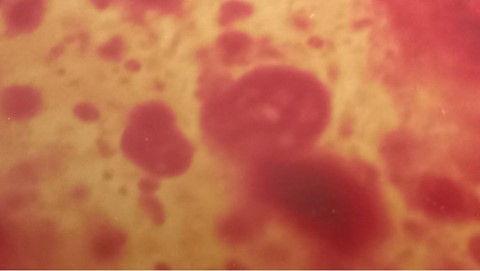
These microscopic inclusions offer a look at the vegetation and reproductive habits of plants that lived approximately 140 million years ago. The study identified three distinct types of botanical structures. Scientists found perforated pollen grains with visible holes and normal pollen grains for comparison.
Most notably, they found a pollen grain with a tube-like structure extending toward a flower ovule, which may show an ancient stage of the pollination and fertilization process. These findings show that amber preserves delicate botanical structures beyond just ancient insects. Scientists say further microscopic examination is needed to confirm the exact biological significance of the perforated grains and the pollen tube.
Selected and summarized by local AI How we work
Discovery: Archaeology, new knowledge of art, culture and history, forgotten history uncovered, something lost restored.