Wolbachia mosquitoes reduce dengue and chikungunya infections in Brazil
Headline and summary by local AI
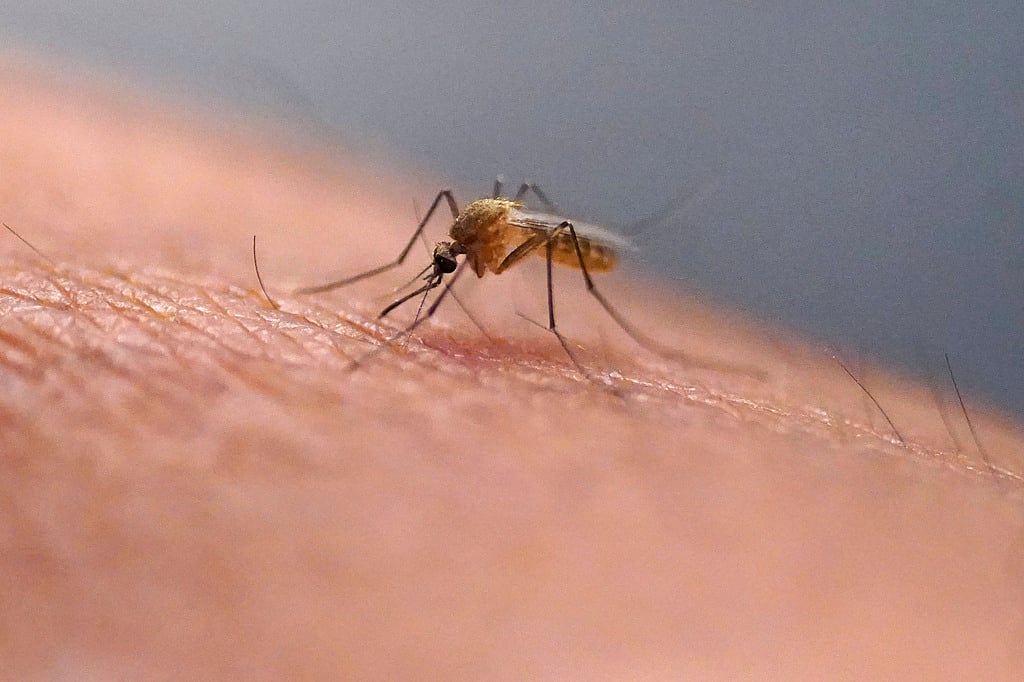
Researchers found that children living in neighborhoods with Wolbachia-carrying mosquitoes had a 69% lower rate of dengue and chikungunya infections compared to children in similar areas.
The study tracked more than 5,700 children in Belo Horizonte, Brazil, a region known for high rates of mosquito-borne diseases. The research team compared neighborhoods that received standard mosquito control measures, such as pesticides, with those that also received releases of specially bred mosquitoes.
These mosquitoes carry Wolbachia, a bacteria that is harmless to humans but prevents the insects from transmitting viruses like dengue and chikungunya. The study showed that this protection remained effective even during a severe dengue outbreak in Brazil in 2024. The World Mosquito Program pioneered this strategy, which has also been tested in Indonesia. Because people with mild symptoms often go undiagnosed, the researchers tested the blood of the children for signs of dengue, chikungunya, and Zika.
While the study could not determine the effect on Zika due to a low number of cases, it provided evidence that breeding mosquitoes unable to carry viruses can supplement traditional pest control.
Selected and summarized by local AI How we work