Ethiopia launches fast charging network to support radical electric vehicle shift
Headline and summary by local AI
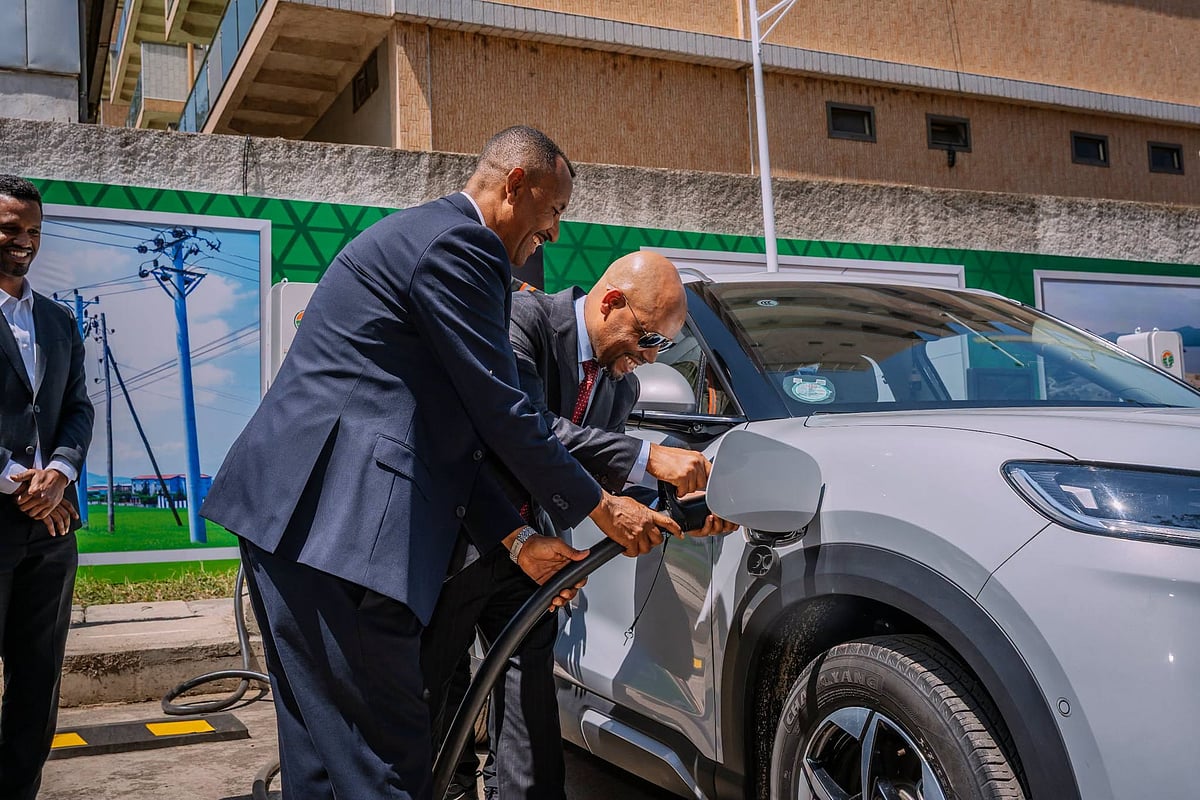
The Ethiopian Electric Utility (EEU) opened 11 new fast-charging stations across six cities to support the country's transition away from petrol and diesel vehicles.
These locations include the capital, Addis Ababa, as well as Bishoftu, Mojo, Batu, Adama, and Hawassa. The new facilities feature both fast and standard chargers and can accommodate up to 96 vehicles at one time.
The government of Ethiopia implemented a ban on new petrol and diesel car imports in 2024 to address a severe economic crisis. The nation spent approximately $5 billion annually on imported fuel, a cost that became unsustainable following a debt default in 2023. To stabilize the economy, the government secured a $3.4 billion financing package from the International Monetary Fund (IMF), which required the country to float its currency.
This move caused the birr to fall about 30 percent against the dollar, further increasing the cost of imported fuel. To replace oil, the country is leveraging its own hydropower, with 96 percent of its electricity coming from sources like the Grand Ethiopian Renaissance Dam. This provides Ethiopia with some of the world's cheapest electricity to power a growing fleet of Chinese-made electric vehicles. By 2024, more than 60 percent of new car registrations in Addis Ababa were electric.
The government aims to reach a total of 500,000 electric vehicles and 2,000 public charging stations by 2033. Despite the rapid shift, several obstacles remain for the transition. Many Ethiopians face high vehicle prices relative to their average annual income, and only 55 percent of the population currently has electricity access. The EEU plans to expand its charging network fivefold within a year to reach more cities, including Dire Dawa, Mekelle, and Bahir Dar.
Selected and summarized by local AI How we work