Afghan farmers adopt drought resistant olives to combat water scarcity
Headline and summary by local AI
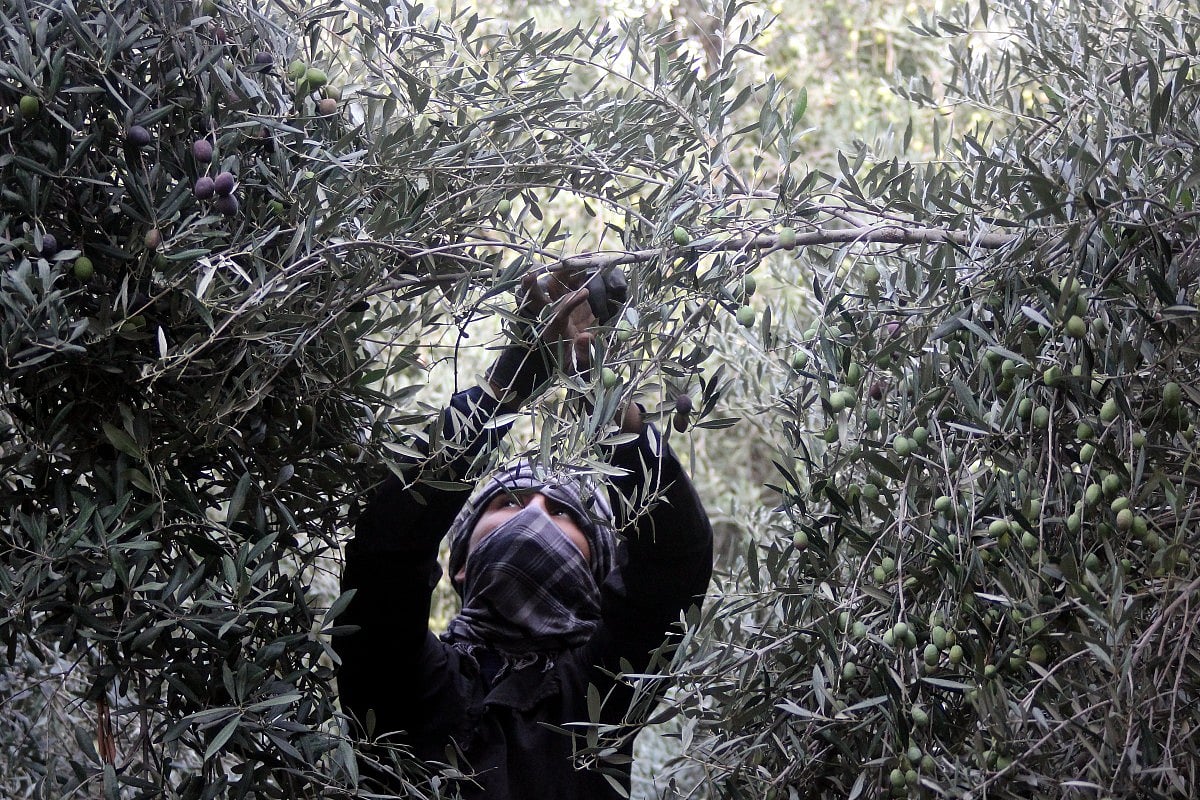
Farmers in eastern Afghanistan are planting olive trees to adapt to a worsening climate crisis and severe water shortages.
Abdullah Orzala established an olive grove on his family land in Saidan Arabi village in Nangarhar province 15 years ago as a way to manage limited water resources. Because olive trees require less water than traditional crops like wheat, rice, or onions, they offer a resilient alternative for communities where over half the population faces water scarcity.
The Food and Agriculture Organization (FAO) says these trees also improve soil health and reduce erosion. In Saidan Arabi, 500 villagers harvest olives from organic orchards and process them at an experimental mill. They sell the resulting oil in shops in Kabul for up to $17 per kilogram. Orzala has expanded his cultivation to other nearby villages, creating 16 permanent jobs in the process. While the industry is small compared to European producers, it is growing.
A state-owned mill near the Pakistani border produced 135,000 litres of oil last year and expects to produce up to 165,000 litres this year. However, the International Olive Council notes that while global demand for olive oil is rising, Afghanistan faces banking and diplomatic isolation that makes exporting to international markets difficult.
Selected and summarized by local AI How we work
More in Solutions
China leads global clean industrial investment as emerging economies rise
euronews.com · 4 Nov 2026

Morocco plans to increase widows' pensions and minimum retirement benefits
en.le360.ma · 11 Nov 2026

South Korea expands carbon neutrality point system to incentivize green habits
ecotiger.co.kr · 13 Nov 2026