Umayyad art features partridge birds in architectural decorations

Headline and summary by local AI
Archaeologists and art historians identify the partridge as a recurring motif in Umayyad era artistic heritage across several historical sites.
These birds appear in various forms of carvings, sculptures, and mosaics throughout the region. The presence of these depictions suggests a consistent artistic vocabulary during the formative stages of Umayyad art. Researchers point to several specific locations where these carvings were discovered. Excavations at Qasr Hisham near Jericho in the Palestinian wilderness revealed numerous engraved pieces featuring the partridge.
Similar motifs appear at Qasr al-Khayr al-Gharbi, located between Palmyra and al-Quraytayn in the Syrian desert. Fragments from Qasr al-Halabat in the Jordanian desert also display these birds. The partridge, a wild fowl species known in Arabic as al-qabaj, is native to the Levant and northern Arabia. The artistic representation of the bird remains consistent across different sites. At Qasr Hisham, the birds are depicted in a fixed pose on horizontal bases with long claws and vine-like botanical borders.
At Qasr al-Khayr al-Gharbi, the birds feature specific details like combs and wattles, which are typically associated with roosters. While the core composition of the bird remains stable, the decorative styling varies between sites, such as the mosaic floors of Qasr al-Halabat and the wall paintings of Qasr Amra.
Selected and summarized by local AI How we work
More in Discovery
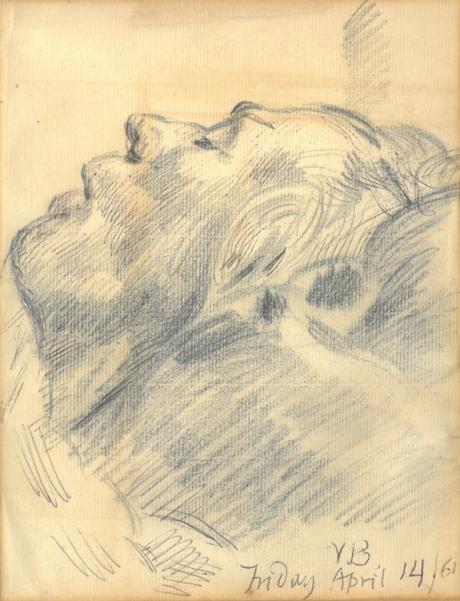
A deathbed portrait of Vanessa Bell by Duncan Grant is rediscovered
theartnewspaper.com · 4 Nov 2026
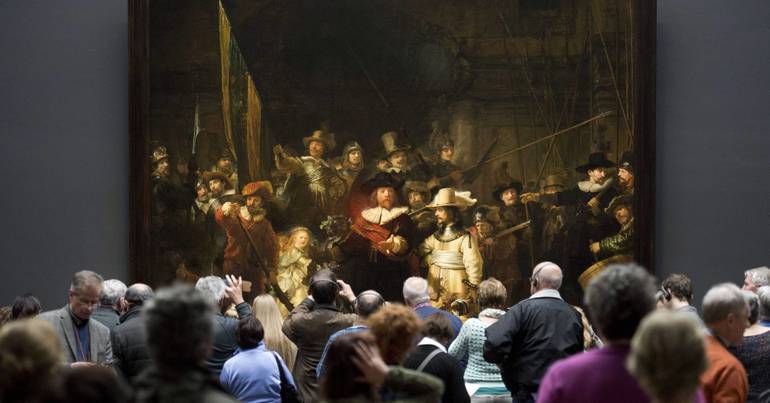
Scientists discover microbes living on Rembrandt's night watch painting
observador.pt · 11 Nov 2026
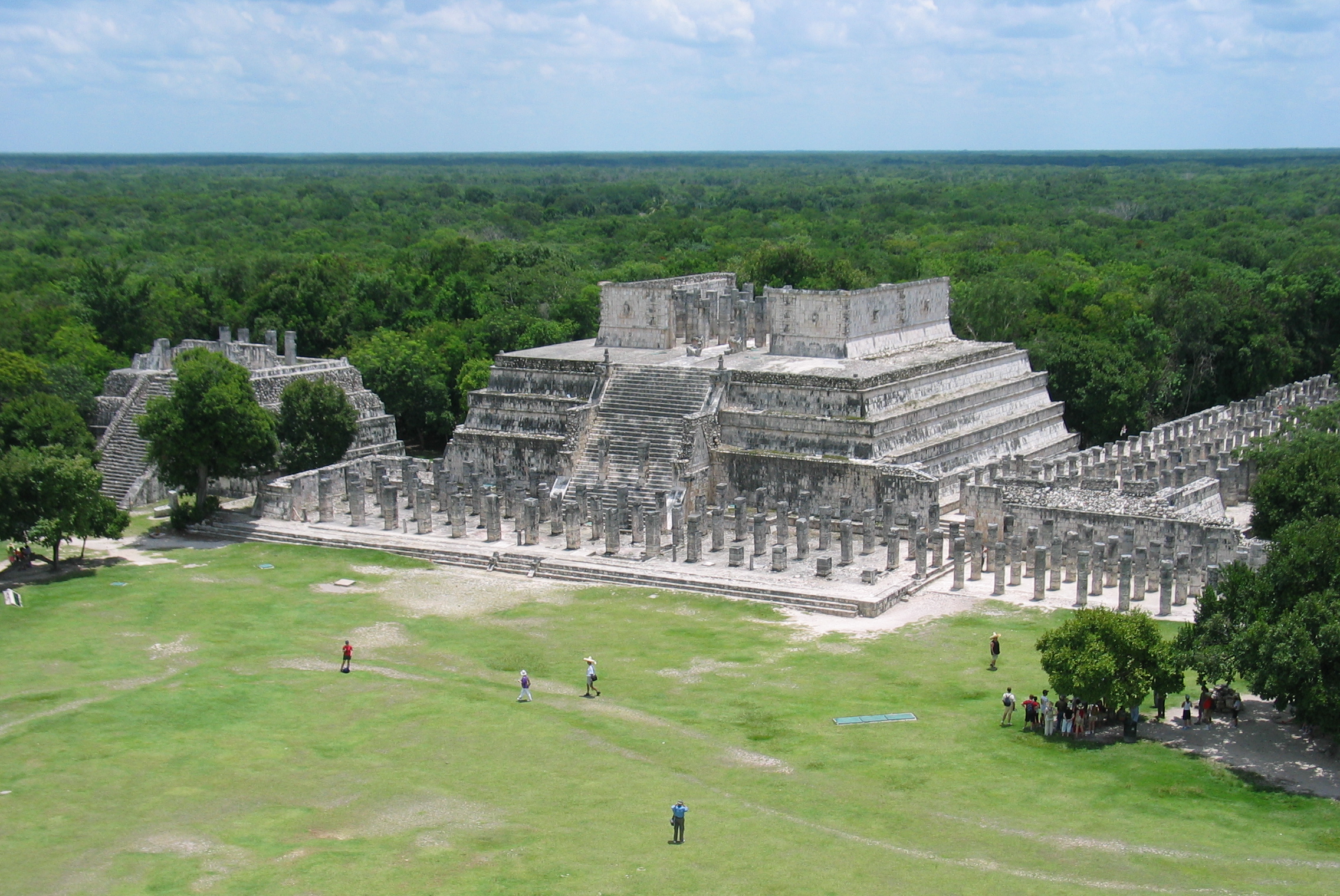
Mercury contamination from ancient Maya pigments remains in Central American lakes
tanea.gr · 9 Nov 2026