Roads led to Istanbul, not Rome, study finds
Summary and headline written by AI from the source article. How we work
Researchers recently analyzed the Roman Empire’s 300,000-kilometer road network, spanning Europe, the Middle East, and North Africa, and determined that the saying “all roads lead to Rome” is inaccurate.
In 20 BC, Augustus, Rome’s first emperor, erected a golden monument in the Roman Forum intended to symbolize the starting point of all roads in the empire. The study showed that while Romans preferred straight roads, difficult terrain sometimes prevented them from building them that way.
The researchers found that regional capitals often had excellent positions on roads within their regions, aiding in administration and tax collection. Cities like Ankara in Turkey, London in Britain, and Corinth in Greece served as key hubs. They discovered that within Italy itself, the most central route followed the Adriatic coast, bypassing Rome entirely.
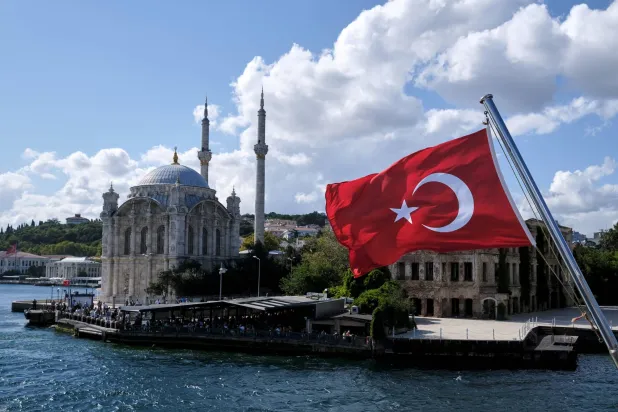
In the early fourth century AD, Emperor Constantine moved the capital to Constantinople, modern-day Istanbul, which proved to be a more central location for land travel across the empire. Its position on the Bosporus Strait connected European and Asian traffic effectively. Many of these ancient roads continued in use long after the fall of both the Western Roman Empire in 476 AD and the Eastern Roman (Byzantine) Empire in 1453, influencing modern highways.